

Logistics shapes everyday commerce, even when its scale is easy to overlook across New Zealand. For job seekers in New Zealand, DHL careers can offer structured work and development.
This guide explains roles, benefits, workplace expectations, qualifications, and applications. It also outlines what to consider before choosing a logistics career with DHL.



Why DHL Jobs Are Worth Exploring in New Zealand?
DHL supports eCommerce, healthcare, manufacturing, retail, freight, and supply-chain operations across New Zealand.
People researching DHL jobs NZ may find opportunities in warehousing, delivery, support, technology, and management in both large and smaller centres.
Consistent Demand for Talent
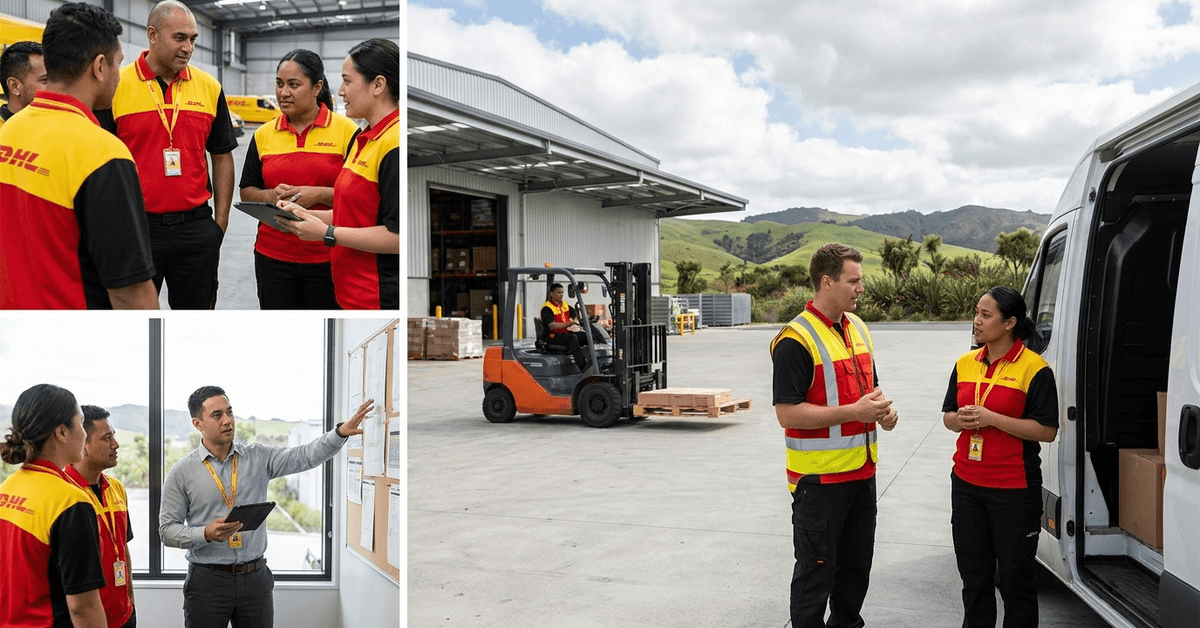
Global supply chains continue operating across changing economic conditions. This steady demand can support job opportunities in major cities and regional areas, though vacancies vary by business needs. Candidates should check listings because hiring changes by location, season, and department.
Opportunities for Career Advancement
DHL offers more than manual logistics work, with specialist and supervisory pathways. Employees interested in career advancement may build skills through training, practical experience, and internal opportunities. Progression depends on performance, qualifications, vacancies, and role requirements.
Multinational Culture and Local Teams
DHL combines global systems with local teams working within New Zealand employment standards.
This international environment can expose employees to standardized processes while keeping local workplace practices. Experiences still differ by site, manager, department, and role.
Types of DHL Careers Available in New Zealand
DHL offers operational, customer-facing, technical, administrative, and management positions. People exploring logistics careers New Zealand should compare duties, schedules, experience, and physical demands before applying.
Warehouse and Operations Roles
Warehouse positions may involve inventory, scanning, packing, sorting, dispatch, loading, and equipment operation.
These operational roles can be fast-paced, so reliability and safe habits are important. Forklift or specialist equipment positions may require valid certification and additional experience.
Transport and Delivery Positions
Delivery staff collect and transport shipments while meeting route and customer-service expectations.
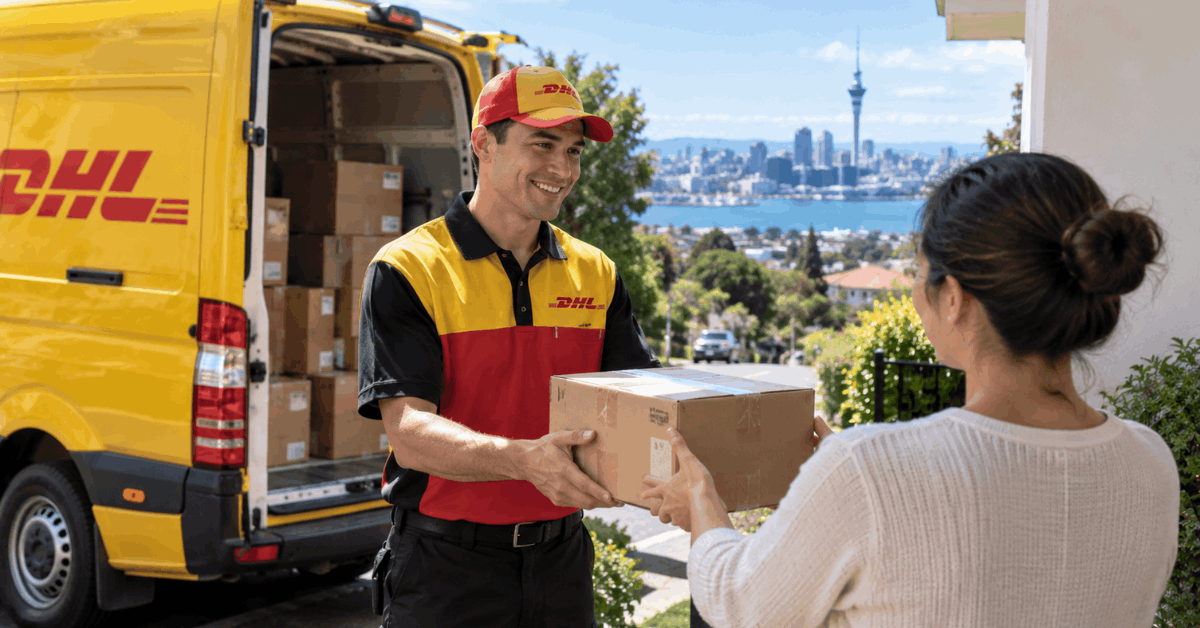
Candidates searching for delivery driver jobs Auckland should expect safe driving, time management, and customer interaction. Some transport roles may involve loading, route changes, or early starts.
Office-Based Administration and Coordination
Customer service and operations teams support shipment tracking, communication, scheduling, and problem-solving.
These office roles suit applicants who are comfortable managing information and communicating with different teams. Organization and digital skills help when handling several tasks.
Specialist and Management Roles
Specialist positions may include supply-chain analysis, technology, customs, planning, sales, finance, and site leadership.
These professional roles often require relevant qualifications, experience, or technical knowledge. People interested in supply chain careers may progress through analytical, operational, or management pathways.
What Benefits Does DHL Offer in New Zealand?
Pay and benefits vary by position, contract, business unit, and location. Candidates should evaluate the full employment package rather than assume every role includes identical conditions.
Competitive Salaries and Performance Bonuses
Compensation depends on duties, experience, shift patterns, and local market conditions. Some pay arrangements may include overtime, allowances, or performance incentives where applicable. Applicants should confirm salary details before accepting a role.
Health and Wellbeing Support
Logistics work can involve physical activity, equipment, driving, and busy operational environments. DHL emphasizes workplace safety through training, procedures, and wellbeing resources. Employees should follow site rules and report risks promptly.
Work-Life Balance Initiatives
Schedules can include early mornings, evenings, weekends, rotating shifts, or standard office hours depending on the job.
These working patterns may suit some employees but challenge others with family or study commitments. Candidates should ask about rosters and availability before accepting an offer.
Training and Career Development
DHL provides role-related induction and learning opportunities across parts of its business. This staff development can include safety training, operational systems, technical learning, and leadership preparation. Availability varies, but training can strengthen practical and transferable skills.
What Is It Like Working for DHL in New Zealand?
Employee experiences naturally differ across sites, teams, schedules, and managers. Understanding the daily environment helps applicants decide whether logistics work suits them.
Fast-Paced, Sometimes Physically Demanding
Warehouse and delivery roles often involve deadlines, repeated movement, lifting, standing, or driving.
These physical demands can become more noticeable during seasonal peaks or high-volume periods. Applicants should assess requirements honestly and follow safe handling procedures.
Supportive Team Environments
Logistics operations depend heavily on employees coordinating tasks accurately and on time. Strong team cooperation can improve workflow, safety, and problem-solving. Team experiences vary, especially when staffing levels or shipment volumes change.
Opportunities for Progression
Employees who demonstrate reliability, initiative, and relevant skills may become candidates for internal openings.
These growth opportunities can include movement into specialist, supervisory, or management work. Advancement is not guaranteed and depends on vacancies, performance, experience, and business priorities.
Requirements for Applying to DHL Jobs in New Zealand
Requirements vary by role, but work eligibility, communication, safety, and reliability are common. Applicants should review the specific vacancy carefully before submitting documents.
- Work Eligibility: Applicants must have the legal right to work in New Zealand.
- Driving Licence: Courier and transport roles may require the appropriate valid licence.
- Physical Capability: Some warehouse and delivery roles involve lifting, standing, or repeated movement.
- English Skills: Many jobs require clear written and spoken communication.
- Background Checks: Certain positions may require reference, identity, police, or driving checks.
Application Process for DHL Careers in New Zealand
Applications generally begin online through DHL or established employment platforms. Understanding the DHL hiring process can help candidates prepare accurate documents and respond efficiently to recruitment requests.
Online Application
Applicants usually submit a CV and any requested information through the official DHL Careers platform. A clear application should highlight relevant experience, safety awareness, teamwork, and role-specific skills. Candidates should verify the vacancy and employer before sharing personal information.
Interview and Assessment Stages
Shortlisted applicants may complete telephone, video, or in-person interviews. The interview process can include questions about previous experience, teamwork, safety, customer service, or problem-solving. Practical assessments may apply to driving, warehouse, or other operational positions.
Reference and Background Checking
Successful candidates may be asked to provide references and complete required screening. These verification steps can include identity, employment, police, licence, or qualification checks depending on the role. Applicants should provide accurate records and respond through legitimate company channels.
Conclusion
DHL can offer varied opportunities across warehouses, delivery, support, specialist services, and management in New Zealand. Requirements, schedules, benefits, and career development differ by position and location.
Applicants should review official vacancies, prepare accurate information, and understand each role before applying. Careful research can help determine whether DHL supports their career goals and preferred working style.