
Access to a reliable phone can make a real difference. For many individuals and families, a phone provides more than a means to keep in touch—it connects people to jobs, critical services, and even emergency resources.
In the United States, there are ways for low-income households to receive a free phone through the Food Stamps Program.
This guide explores the basics and nuances of how someone enrolled in the Supplemental Nutrition Assistance Program (SNAP) may also access wireless communication support.
This article is intended for those already receiving SNAP benefits, as well as for families or individuals curious about the eligibility process and interested in practical ways to stay connected on a limited budget.
The possibility of obtaining a free mobile device—without added financial strain—can be a lifeline, particularly when resources seem stretched thin.
That might sound promising, but it’s worth exploring the details and understanding how it all really works in practice.
What Is the Free Phone With Food Stamps Program?
It’s helpful to know that there’s no official program that sends phones as part of SNAP by itself. Instead, eligible participants can apply to the Lifeline Assistance Program.
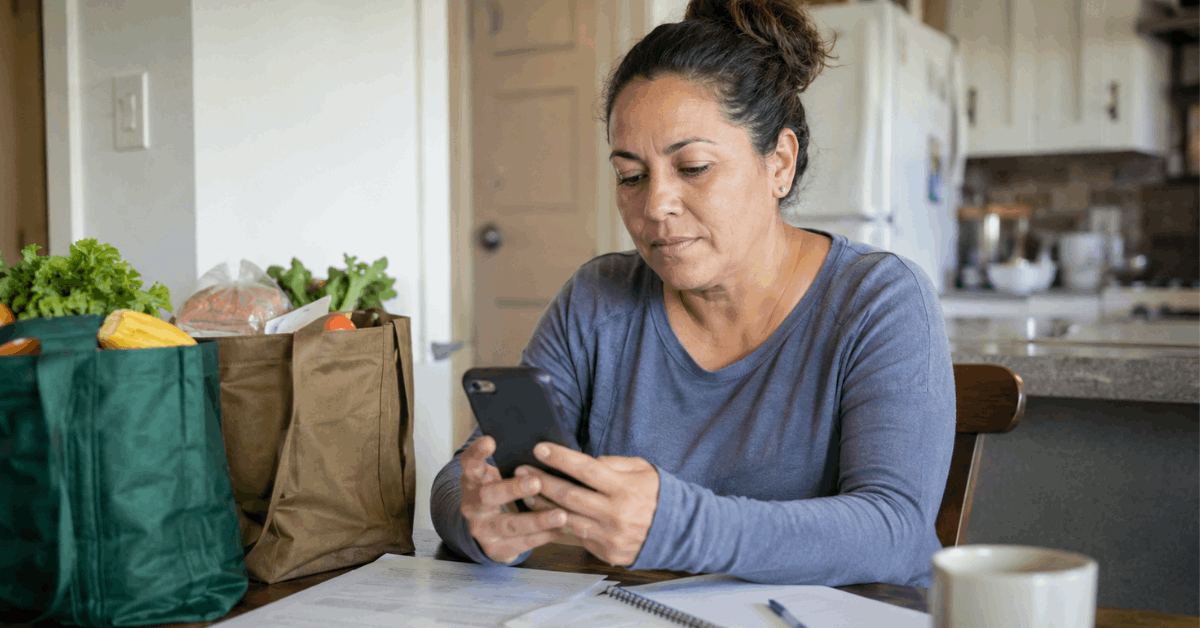
This federal initiative, sometimes simply called "Lifeline," has supported millions of Americans for decades with discounted or even free phone and internet services if they already participate in certain benefit programs. Food stamps (SNAP) is one such qualifier.
This connection isn’t automatic. Households need to meet Lifeline’s stated requirements and go through a brief but formal application process.
It’s possible, at first, to find the process confusing or even a bit tedious. But plenty of people have found success, and many find the monthly savings meaningful.
How Does SNAP Qualify You for Lifeline Assistance?
If someone is already approved for SNAP, their participation serves as proof of their need. Lifeline recognizes SNAP as a qualifying government program, which can make the process relatively straightforward if documentation is readily available.
Still, minor snags might occur, especially if information is outdated or incomplete. Keeping paperwork up to date can help smooth things out.
Generally, Lifeline applicants will be asked to submit copies of their SNAP award letter, along with identification. In some cases, states or providers can verify SNAP participation digitally, but prepared applicants tend to face fewer delays.
Steps to Apply for a Free Phone Through Lifeline
Step 1: Gather Essential Documents
Applicants typically need their SNAP approval letter, government-issued ID, and proof of residence. Having digital copies can help prevent hiccups.
Step 2: Choose a Participating Provider
Not all phone companies offer Lifeline. It can be beneficial to review providers serving your area; choices and plan details may differ regionally. Options often include national companies and smaller local carriers.
Step 3: Complete the Lifeline Application
This process is typically available online through the National Verifier (managed by the Universal Service Administrative Company). Some providers also offer in-person or phone-based enrollment support.
Step 4: Await Approval and Select a Device
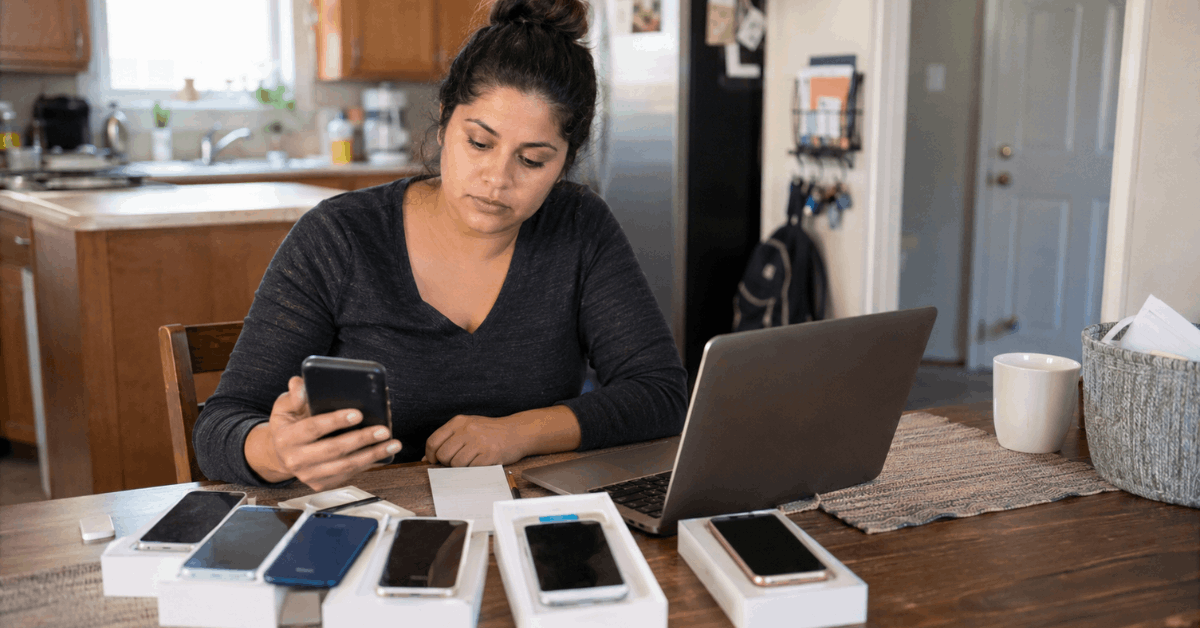
Once approved, new users usually receive a list of devices to pick from—most basic smartphones with text, talk, and data included. Don't expect the latest releases; the phones are reliable, but often simple. For many, that’s enough.
Major Lifeline Providers Offering Free Phones
Q Link Wireless
Runs nationally and provides smartphones with free monthly data, talk, and text for Lifeline-qualified households. A quick scan of their coverage map can clarify availability.
Safelink Wireless
One of the longest-running services, SafeLink is operated by TracFone and has widespread coverage. It offers both new phones and the option to use existing devices if compatible.
Assurance Wireless
Known for simple enrollment, Assurance includes a free Android device, and their plan covers most essentials. Some feedback suggests waiting times may vary, but the process stays largely the same.
Other Regional Options
Smaller providers can sometimes offer more personalized support or unique plan features. It’s usually worthwhile to explore local options if national providers don’t serve your area.
What Features Are Included with Free Phones?
The devices provided aren’t top-of-the-line, but most cover the basics: smartphone access, touch screen, texting, calling, and modest monthly data.
Accessories like headphones or cases are usually not included. The plans typically renew every month as long as you remain eligible.
Typical Plan Inclusions
- Up to several gigabytes of data
- Unlimited text messaging
- Nationwide calling (often unlimited, sometimes capped)
- Voicemail and caller ID
Some providers allow upgrading to more robust options for a fee, but the base plan is designed to meet essential needs.
Common Questions About Free Phone Eligibility and Process
Is Every SNAP Recipient Approved?
It’s not guaranteed. Lifeline sets income thresholds, and applicants must keep documentation, including SNAP participation, up to date. Issues may arise if personal details don’t match across applications.
Do Benefits Ever Expire or Need Renewal?
Yes, Lifeline requires users to confirm and renew eligibility every year. Missing renewal dates can result in benefit suspension. It's easy to overlook this task, especially for busy families.
What About Migrant or Seasonal Workers?
Anyone meeting SNAP and Lifeline’s requirements can apply—residency is usually essential. Discrepancies can cause delays, so clarification from customer support is often the fastest solution.
Helpful Tips for a Smooth Application
- Double-check that your address, name, and other personal information match across all documents.
- Create clear, legible digital copies of paperwork before uploading or mailing.
- Research multiple providers to find the most suitable plan for your region and lifestyle.
- Set reminders for annual re-certification to avoid mistaken cancellations.
Why Do Programs Like This Exist?
The underlying belief is that communication is an essential modern utility. Free phones aren’t about promoting consumerism; they’re designed to bridge gaps for those who might otherwise struggle to stay connected.
Phone access can influence employment, healthcare, school notifications, and the simple logistics of daily life.
Plenty of people express concern that there might be bureaucratic hoops to jump through, or even that some programs change frequently.
While there’s a bit of truth in that—the landscape does evolve—user experiences suggest that support is available, and persistence tends to pay off over time.
Legal and Privacy Points
Enrolling in Lifeline requires sharing personal and financial information. Federal and state privacy laws govern how this data is used, but some people do feel a little unsettled by digital applications.
Sticking to official channels and known providers lowers risk. It’s always possible to seek assistance at official offices or through qualified advocacy groups if online enrollment feels intimidating.
Final Thoughts
Getting a free phone through SNAP is usually done through the Lifeline Assistance Program, not directly through the Food Stamps Program itself.
Eligible applicants should prepare their SNAP proof, ID, and address documents before choosing a participating provider. It is also important to compare available carriers, check coverage, and understand yearly renewal rules to avoid losing benefits.
With the right documents and careful application steps, low-income households can stay connected to jobs, services, healthcare, and emergency support.