

The Single Family Subsidy (SUF) is an important benefit for thousands of households navigating difficult financial situations. Understanding how to request the SUF can be the difference between uncertainty and stability.
This article is designed for heads of household, single parents, or guardians seeking financial support for their families.



Guidance is based on official processes, current requirements, and real-world observations in major cities like Santiago, Lima, and Bogotá. The main benefit is learning the most effective way to submit your application accurately and avoid common pitfalls.
What Is the Single Family Subsidy (SUF)?
The SUF is a government-funded support program. Its aim is to help families with limited income provide for their basic needs.
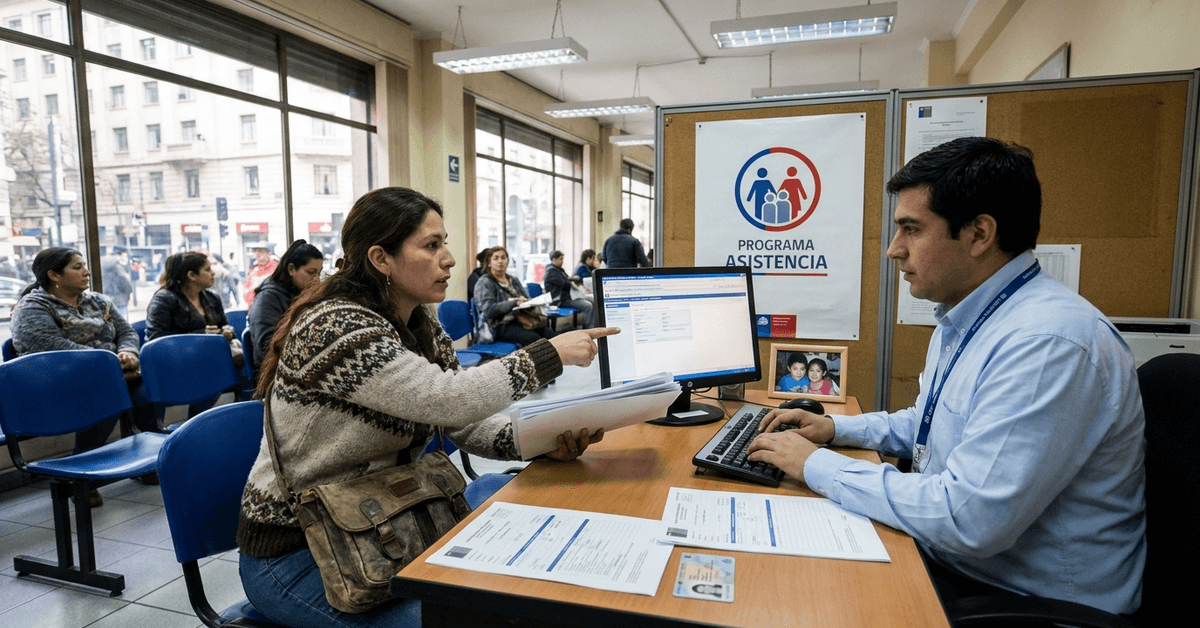
This subsidy usually comes as monthly payments or in-kind donations, dependent on the country's approach. Local social service departments manage the application and approval process.
Eligibility Criteria
- Low income status is a primary requirement.
- Being the head of the household or primary caregiver is important.
- Official registration with a national or city social welfare office is often mandatory.
- Children and dependents may need to be enrolled in state education or health programs.
Where the SUF Is Most Relevant
- Santiago: Managed by the Social Development Ministry.
- Bogotá: Local family welfare institutions often coordinate subsidies.
- Lima: City and national government share responsibilities.
While the process is similar, small regional differences often apply.
Documents Required to Apply for the SUF
Each city or region may request slightly different documentation. However, some core items are almost always required.
- National ID card for the applicant.
- Proof of current family income, such as a salary slip.
- Updated utility bills with the family’s address.
- Birth certificates for all dependent children.
- Social security registration documents, if applicable.
Official copies and, sometimes, notarized versions are required in cities like Bogotá. It may help to prepare extra copies in advance.
Where and How to Submit the SUF Application
Ready to send your SUF request? Knowing which official office or portal to use, how to submit your documents, and what confirmation to keep can make the process much smoother.
Online Portals
An increasing number of cities allow applications via online tools. For example, the ChileAtiende portal in Santiago guides users step-by-step.
- Check eligibility with an online calculator.
- Register for a user account if needed.
- Upload digital copies of each required document.
- Track your application’s status in real time.
In-Person Submissions
Some people prefer to visit a local social welfare office.
- Bring original documents and copies.
- Collect a numbered ticket or schedule an appointment.
- Request confirmation of your submission for your records.
In Lima, municipal offices often have counters dedicated to subsidies. Expect longer lines at busy periods like early mornings or month end.
Step-by-Step Guide to Requesting the SUF
- Gather every required document and double-check for recent expiration dates.
- Visit your local social services office or access their recommended web portal.
- Complete the official application form, ensuring all fields are filled accurately.
- Attach or upload all supporting documents.
- Submit the package and request a receipt, either physical or digital.
- Follow up after five to ten business days. Many agencies provide a status tracker via app or website.
Certain cities, such as Santiago, advise applicants to visit in person for questions about application progress. If doubts arise, consider calling the city helpline or accessing their official FAQ page.
Key Tips for a Smooth Application
A smoother application starts with a few smart habits. Complete documents, accurate details, timely follow-up, and careful deadline checks can help keep the process moving without unnecessary setbacks.
- Check for regional updates on eligibility and application methods as requirements can change without wide notice.
- Submit all documents in the exact formats requested. PDF is common for online portals.
- Save a folder with scanned copies for re-application or future reference.
- If unsure, seek assistance at authorized help counters in your neighborhood.
- Some municipalities run free workshops; attending may clarify common misunderstandings.
Using Mobile Apps and Digital Tools
More families are turning to tech. The Compromiso Familiar app in Bogotá and the ChileAtiende mobile platform are reliable resources.
- Apps can send reminder alerts about new deadlines or missing paperwork.
- Status trackers help applicants stay informed and reduce delays.
While tech can simplify matters, having backup paper copies of all documents remains a wise precaution, just in case digital submissions fail.
Common Mistakes and How to Avoid Them
Small oversights can lead to unnecessary delays. Knowing the most common errors, missing documents, and timing issues can help you avoid setbacks before they happen.
- Relying only on old documents: Some offices need proof dated within the last two months.
- Incomplete digital uploads: Large files can fail; always verify uploads before exiting the portal.
- Omitting a dependent from the application can disqualify the entire submission.
- Assuming approval is automatic: Nearly all regions require status checks and, sometimes, additional clarification interviews.
What Happens After Submission?
Most cities, including Santiago and Lima, process SUF applications within 15 to 30 days.
Applicants should monitor their chosen method for notifications—either email, SMS, or a printed letter delivered to their home.
If more information is needed, authorities may call for an interview or home visit. Fast, polite responses speed up processing times.
Appeals and Reapplications
- If denied, read the official explanation, which is typically sent alongside the rejection notice.
- Most cities allow appeals. Gather any missing documents and resubmit within the official window—usually 10 to 20 days.
- Consult a local legal aid center if facing language barriers or complex family structures.
For multiple denials, neighborhood ombudsman offices sometimes offer extra guidance, explaining local errors or changes in policy.
When and How Funds Are Delivered
Once approved, SUF funds may arrive through a bank deposit, prepaid card, or in-person collection at designated centers.
In Lima, the BIM app is used for digital transfers. In Bogotá, funds are added to the Family Welfare Card, usable at approved stores.
Updates to payment schedules are usually shared in advance by SMS or public notice. Reviewing the official city website often helps avoid confusion or missed deadlines.
Conclusion: Securing the SUF for Your Family's Needs
Requesting the Single Family Subsidy (SUF) may seem overwhelming, but with a clear step-by-step approach, it becomes manageable.
Gathering the required documentation, using verified digital tools, and double-checking application details for your city or region can drastically improve approval chances.
Realistically, patience and attention to updates will help families access the support they need without unnecessary delays. Staying proactive, seeking advice if obstacles arise, and maintaining organized records all assist in making sure no eligible family misses out.