

Personal loans can help cover financial gaps, major purchases, or debt consolidation. In Chile, Banco de Chile offers financing options with terms that vary by applicant, loan amount, and repayment period.
This guide explains how Banco de Chile personal loans work, including application requirements, interest rates, repayment conditions, and potential benefits.



It aims to help borrowers compare options, understand costs, and make more informed decisions before applying.
Understanding Banco de Chile Personal Loans
Banco de Chile is one of the oldest and most recognized banks in the country.
Its personal loan products are designed to support a range of needs, from education fees or healthcare costs to home renovations and debt restructuring.
Many users opt for these loans due to perceived credibility and accessible nationwide service.
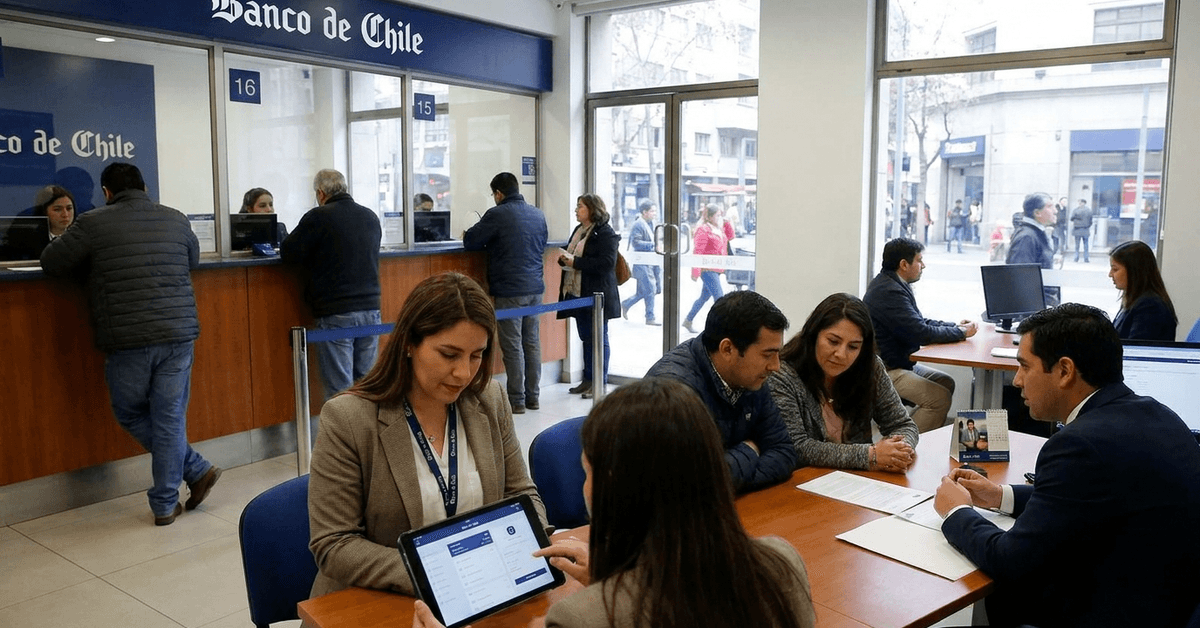
Generally, Banco de Chile personal loans come as unsecured credit, meaning there's no collateral required for approval.
The bank offers fixed repayment terms, usually between 12 and 60 months, with monthly installments that remain constant until the loan is completed. This predictability might appeal to people seeking easier budgeting.
How to Apply for a Banco de Chile Personal Loan
The application process, while standardized, does allow for some variation depending on whether an applicant already has a banking relationship with Banco de Chile.
Both digital and in-person options are available, which means convenience isn't in short supply. Let's break down the core steps involved.
Initial Eligibility Evaluation
First, applicants usually undergo an evaluative process. The bank considers factors like employment history, income stability, credit bureau scores, and level of existing indebtedness.
Being a current account holder might expedite some checks, though it's not a strict requirement for everyone.
People sometimes wonder if self-employed workers face more scrutiny—it's possible, but documented income can often suffice.
Filing the Online Application
Digitalization has simplified most procedures. Applicants can fill out a form on the official Banco de Chile website. It collects identification details, financial information, and desired loan terms.
Some find this process straightforward, others might pause over specifics such as required documentation or authorization checks. Still, it's clear the site guides you through each step quite consistently.
Document Submission and Verification
Once the form is complete, applicants typically need to provide proof of identity (Chile’s RUT), income verification (pay stubs or tax forms), and residence documentation.
Sometimes, additional paperwork is required for self-employed applicants. After submission, the bank reviews documents for authenticity and completeness—a part that can take a bit of patience, depending on complexity and bank workloads.
Loan Offer and Acceptance
If the application passes review, Banco de Chile generates a formal loan offer outlining the principal, interest rate, repayment period, and monthly payment. Applicants are encouraged to review this carefully.
Occasionally, terms are not quite as expected, especially regarding the total cost or pre-payment penalties. It’s normal to feel a bit uncertain at this stage.
Disbursement of Funds
After accepting the conditions and signing the agreement, the loan is disbursed—usually within a few business days. The bank will transfer funds directly to your Banco de Chile account, or, in some scenarios, another designated account.
Now, the loan amortization schedule begins, and repayments are drawn monthly, typically by automatic debit.
Understanding Banco de Chile Interest Rates
Interest rates are a key factor when comparing personal loans. Banco de Chile states that its consumer credit uses a fixed interest rate for the full loan term, while the final conditions depend on the amount, repayment period, and applicant profile.
How Your Rate Is Determined
The rate offered may vary according to the borrower’s financial circumstances and the specific credit proposal.
Because offers are personalized, applicants should rely on the rate shown in their final simulation or contract rather than general market estimates. Banco de Chile provides an online credit simulator for reviewing available scenarios.
Understanding the CAE
Borrowers should also review the CAE (Carga Anual Equivalente). This percentage reflects the overall annual cost of credit and is useful for comparing loans with different interest rates, fees, and associated expenses.
Compare the Total Cost
Before accepting an offer, applicants should examine the interest rate, CAE, monthly installment, repayment term, applicable fees, and total amount payable. Comparing these figures provides a clearer picture of the true borrowing cost.
Rate Comparison Table
A rate comparison table can help borrowers quickly compare interest rates, CAE, repayment terms, and overall loan costs across available options.
| Bank | Min. Interest Rate (Annual) | Max. Interest Rate (Annual) |
|---|---|---|
| Banco de Chile | 12% | 28% |
| BancoEstado | 13% | 29% |
| Banco Santander Chile | 14% | 30% |
Note: These figures are indicative, reflecting general published ranges. For up-to-date rates or calculators, refer to the official Superintendencia de Valores y Seguros.
Key Benefits of Banco de Chile Personal Loans
Borrowers frequently turn to Banco de Chile for certain standout features. While ‘best’ can mean different things for different people, some advantages do tend to surface more often in feedback.
Reputation and Trust
Banco de Chile’s long-standing history and consistent service record provide a sense of stability. This can be reassuring, particularly for applicants nervous about financial scams or hidden terms.
There’s something to be said for familiarity, especially when visible branches span cities and towns.
Flexible Terms
The bank offers considerable flexibility, letting applicants choose from a spectrum of loan amounts and repayment periods. Those facing temporary cash shortfalls or longer-term expenses will likely appreciate choice over strict, pre-defined packages.
Even so, not every combination will be optimal—it depends a bit on eligibility and current market rates.
Fast Processing
Most customers experience relatively prompt assessments and fund releases, especially via online channels.
Some, of course, report occasional holdups, usually connected to busy periods or documentation mismatches. Still, compared to older, paper-based systems, today’s process feels slicker and more user-friendly overall.
Online Account Management
With a personal loan, borrowers have access to digital tools for managing repayments, checking balances, or even exploring early payment opportunities.
While some clients find navigation a little complex at first, support resources are available on the banking portal. Routine interactions can become second nature in time.
Loan Insurance Options
Banco de Chile sometimes offers or requires optional insurance coverage with personal loans, such as unemployment or life protection.
These policies can provide extra security, though they also raise the loan's total cost. The choice isn’t always clear-cut, but for risk-averse applicants, coverage may feel worth it.
If Banco de Chile Personal Loans Match Your Plans
Banco de Chile personal loans offer flexible terms, digital access, and an established service network. However, rates, eligibility, and final conditions vary by applicant and market factors.
Borrowers should compare the CAE, fees, repayment period, insurance costs, and total amount payable before accepting an offer.
The best choice depends on individual finances and borrowing needs, so reviewing alternatives and reading the full contract carefully can help support a more informed decision.