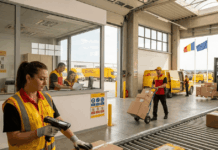

DHL Greece hires across warehouse, delivery, customs, and coordination roles throughout the year. The company posts both permanent and seasonal contracts depending on shipment volume.
Most job listings for DHL Greece don't mention starting salary ranges. That missing detail shapes how candidates waste time applying for roles that don't match their income floor.


This article is for the job seeker in Greece who wants a logistics position with a structured employer but needs to know the daily reality before sending a CV.
What Positions Does DHL Greece Hire For?
DHL Greece regularly posts openings for warehouse associates, delivery drivers, logistics coordinators, customer service representatives, and customs clearance agents.
Each role sits at a different point on the pay and qualification scale.
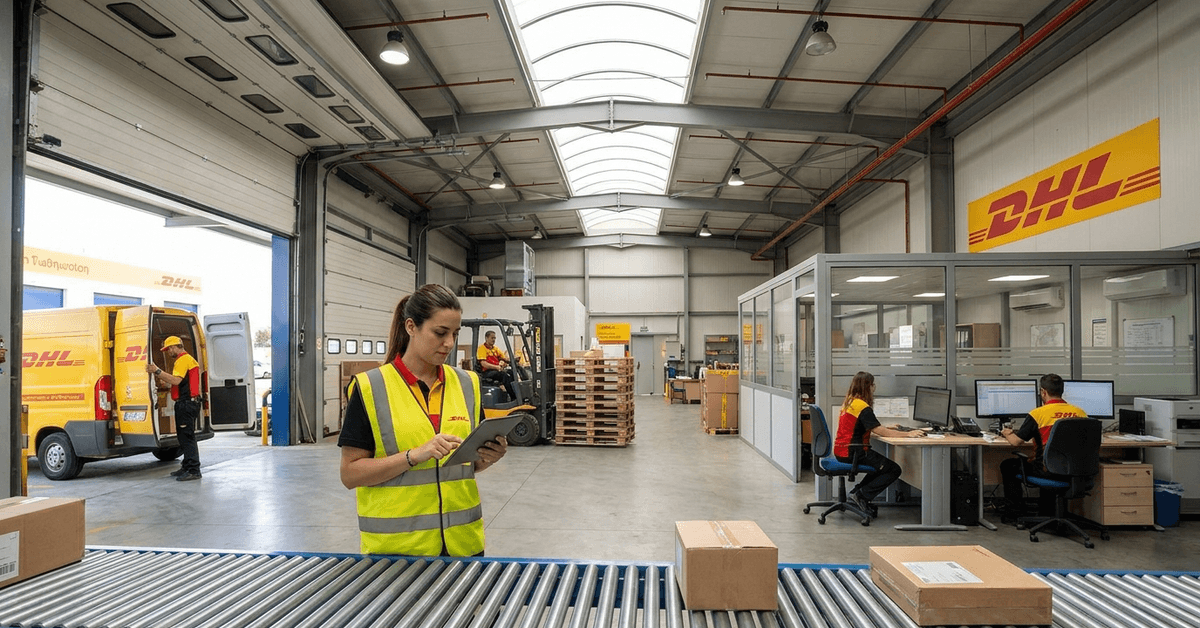
Warehouse associates sort packages, manage inventory counts, and handle goods across shifts.
Delivery drivers cover local and regional routes using company-provided route-planning software. Logistics coordinators handle shipment documentation, client scheduling, and freight tracking.
Customs Agent Roles Get Overlooked
Customs clearance agents manage the regulatory paperwork for international shipments entering and leaving Greece. These roles require familiarity with EU trade compliance and often a working command of English alongside Greek.
I think customs agent positions at DHL Greece are the most underrated logistics entry point because they build regulatory knowledge that transfers directly to freight forwarding, import/export consulting, and trade compliance jobs across the EU.
Customer Service at a Freight Company Is Different
Customer service at DHL means fielding calls and messages about delayed shipments, customs holds, and delivery rescheduling. It runs nothing like retail customer service. You need patience for problems that sometimes take days to resolve, not minutes.
Do You Need a Degree to Work at DHL Greece?
A university degree is not required for most DHL Greece roles. Warehouse and delivery positions prioritize practical training and licensing over formal education.
That said, logistics coordinator and customs agent roles lean more heavily on language skills and documentation knowledge. English proficiency matters.
DHL operates across 220+ countries, and internal communication between branches often defaults to English.
Certifications That Give You an Edge
A few low-cost credentials can separate your application from the pile:
- Warehousing safety certification through any accredited Greek vocational body
- Transport safety credentials if applying for driver positions (category B or C license depending on vehicle class)
- Basic digital literacy courses covering inventory management systems or ERP tools
- English language certification at B2 level or above for coordination and customs roles
These are not mandatory. But hiring managers at logistics companies look for signals that a candidate took initiative before the interview.
Tech Comfort Matters More Than Tech Expertise
Every DHL role involves some form of digital tool. Drivers use route-planning apps and GPS tracking. Warehouse staff scan barcodes and log inventory digitally. Coordinators work in shipment management platforms.
You don't need to be a developer. But if you've never used a tablet for work, spend a week getting comfortable with Google Workspace tools before applying.
What a Typical Day Looks Like at DHL Greece
Daily routines depend entirely on the department. Warehouse shifts often begin with a safety briefing, then move into sorting, inventory checks, and incoming shipment processing for several hours.
Warehouse Shifts vs. Driver Routes
Warehouse staff work in controlled environments with scheduled breaks. Drivers deal with Greek traffic, weather, and parking logistics. The contrast is stark.
| Role | Typical Start | Main Tasks | Schedule Flexibility |
|---|---|---|---|
| Warehouse Associate | 6:00–7:00 AM | Sorting, scanning, loading | Low (fixed shifts) |
| Delivery Driver | 7:00–8:00 AM | Route planning, deliveries, vehicle checks | Medium (route-dependent) |
| Logistics Coordinator | 8:30–9:00 AM | Documentation, client calls, freight tracking | Medium (office hours with peak-period extensions) |
| Customs Agent | 9:00 AM | Regulatory filings, compliance checks | Low to medium |
Coordinators and customs agents work office hours most weeks. But peak shipping periods (November through January, and mid-summer) can stretch schedules without much notice.
Busy Days Hit Without Warning
Logistics moves with global events. A supply chain disruption, a port delay, or a policy shift on EU imports can spike workload overnight. Some weeks are calm and repetitive. Others are a scramble.
That unpredictability keeps the work from feeling stale. It also means you should be comfortable with plans changing mid-shift.
Contracts, Hours, and Greek Labor Law
DHL Greece offers both permanent and temporary contracts. Temporary contracts typically cover seasonal peaks. Permanent positions follow Greek labor law on working hours, overtime pay, and annual leave.
Standard working hours in Greece are 40 hours per week across five days under current labor regulations.
Overtime rates apply beyond that threshold, though seasonal logistics roles sometimes blur the line between scheduled overtime and expected extra effort.
Read the Contract Before You Sign
I would push anyone considering a DHL Greece offer to read every clause on shift scheduling and overtime terms before signing.
Logistics companies across Europe, including DHL, adjust schedules during peak months, and your contract language determines whether that adjustment comes with extra pay or just extra hours.
Ask three questions before signing: What triggers overtime pay? Can your shift times change with less than 48 hours notice? And does the contract convert from temporary to permanent after a set period?
Tax Registration and Social Insurance in Greece
All employees working in Greece must register for social insurance (EFKA) and tax obligations through the Greek Independent Authority for Public Revenue (AADE).
DHL handles employer-side registration, but you need your own tax ID (AFM) and insurance number sorted before your start date.
Non-Greek speakers sometimes struggle with AADE's online portal. The AADE official site has guides, but most are in Greek. Budget time for this step if you're a recent arrival or returning expat.
Documents to Prepare Before Applying
Getting your paperwork ready before applying speeds up the process significantly:
- Valid Greek tax identification number (AFM)
- EFKA social insurance registration
- Valid ID or residence permit (for non-EU nationals)
- Driving license (category B minimum for driver roles, category C for larger vehicles)
- Health and safety clearance for warehouse or hazardous materials roles
Missing even one of these can delay your hiring by weeks.
Can You Build a Career at DHL Greece?
Internal mobility at DHL is more common than the logistics industry average. Employees who start in warehouse roles sometimes move into supervisory or coordination positions within two to three years.
DHL runs internal training programs, digital learning platforms, and short courses. Employees can pick subjects that match their own interests, which helps if you're aiming for a specific department transfer.
The Progression Isn't Fast
Career movement inside any large logistics company takes patience. Supervisory openings depend on turnover and volume growth. A warehouse associate won't become a logistics coordinator in six months.
But the skills transfer well. Two years of DHL warehouse experience plus a transport safety certification opens doors at freight forwarders, third-party logistics providers, and customs brokerages across Greece and the EU.
Questions People Ask About DHL Greece Jobs
A few things that come up often for people researching logistics careers at DHL in Greece.
- Q: Does DHL Greece pay above minimum wage?
Logistics roles at DHL typically sit above Greek minimum wage, though exact figures vary by position and contract type. Warehouse and driver roles tend to start near the lower end of the logistics pay scale, while coordinator and customs positions pay more. Check the specific listing for salary range details. - Q: Can I apply to DHL Greece without speaking Greek?
Some roles, particularly in international logistics coordination or customs, may accept candidates with strong English skills. But most warehouse and delivery positions require functional Greek for daily communication with local teams and clients. - Q: Does DHL Greece hire foreigners or expats?
DHL does hire non-Greek nationals, provided they hold valid work permits and meet role-specific requirements. EU citizens have fewer bureaucratic steps. Non-EU applicants should budget extra time for residence and work permit processing through Greek immigration authorities. - Q: How long does the DHL Greece hiring process take?
Timelines vary. Seasonal warehouse roles can move from application to start date in two to three weeks. Permanent positions with specialized requirements, like customs agents, may take six weeks or longer due to background checks and compliance verification. - Q: Is logistics a good long-term career in Greece?
Greece's position as a shipping and trade hub between Europe, North Africa, and the Middle East keeps logistics demand steady. The sector doesn't disappear during economic downturns the way some service industries do. Long-term growth depends on specialization and willingness to relocate within the region.
Conclusion
DHL Greece hires across multiple logistics roles with both temporary and permanent contracts available year-round. Customs and coordination positions offer the strongest long-term skill transfer for career growth.
Getting your AFM, EFKA registration, and any needed licenses ready before applying saves weeks of delay. Greece's geographic position as a Mediterranean trade crossroads keeps logistics job demand consistent even during economic slowdowns.