

Applying for manufacturing jobs in Japan requires meeting specific qualifications and adhering to particular visa requirements.
Employers look for education, skills, and language ability, while immigration rules determine which visa you can obtain.



This guide explains the main criteria, visa options, and steps to secure a position legally and successfully.
Manufacturing Roles in Demand
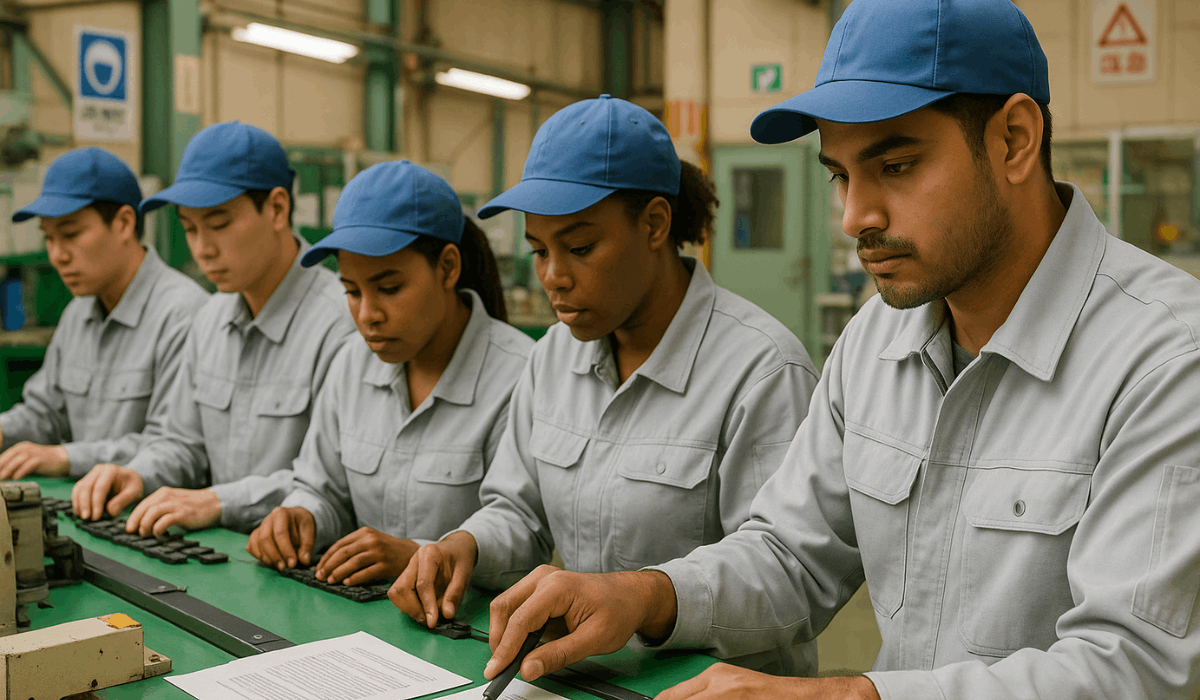
Japan’s manufacturing sector hires foreign workers for both entry-level and skilled roles.
Major demand comes from the automotive, electronics, and food processing industries.
- Automotive Assembly Workers – Build, assemble, and inspect vehicle components for major Japanese car manufacturers.
- Electronics Technicians and Assemblers – Work on semiconductors, circuit boards, and consumer electronics production lines.
- Food Processing Operators – Handle packaging, machine operation, and quality checks in food and beverage factories.
- Precision Parts Manufacturing – Produce small-scale, high-accuracy components for machinery, robotics, and medical equipment.
- CNC Machine Operators – Program and operate computer-controlled cutting, drilling, and milling equipment.
- Quality Control Inspectors – Monitor production standards, conduct inspections, and ensure compliance with safety and quality rules.
- Logistics and Packaging Staff – Manage product handling, labeling, and shipment within factory supply chains.
Core Eligibility
Candidates must meet basic eligibility requirements related to education, skills, language, and health.
Meeting these standards is essential to secure both employment and the correct visa.
- Education – A high school diploma is the minimum requirement; technical or vocational training provides an advantage.
- Work Experience – Entry-level positions may accept no prior experience, but skilled roles often require proof of training or past employment.
- Language Skills – Basic Japanese communication is expected, with a proficiency level of JLPT N3–N2 preferred for better opportunities.
- Health and Age – Applicants must pass medical checks and meet fitness standards required for factory work.
- Skills Certifications – Forklift licenses, CNC training, or industry-specific certificates strengthen applications.
- Legal Status – A valid visa pathway (such as SSW, Technical Intern, or Engineer/Specialist) is mandatory to work legally.
Visa Pathways
Foreign workers must choose the right visa pathway to work legally in Japan’s manufacturing sector.
Each option has its own rules for skills, language, and stay length, depending on background and goals.
- Specified Skilled Worker (SSW i/ii) – Requires skills and language tests; SSW i allows 5 years, SSW ii permits family stay.
- Technical Intern Training Program (TITP) – Short-term training route that can lead to SSW; caution with unlicensed brokers.
- Engineer/Specialist Visa – For technical or engineering roles; needs a degree or relevant experience.
- Student to Work Route – Lets graduates from Japanese schools switch to SSW or Engineer visas.
- Change/Extension of Status – Allows workers already in Japan to switch visa types or extend stay with employer sponsorship.
Get Qualified
Candidates must show their qualifications before applying.
Skills, language, and certifications are key, and preparing early improves hiring and visa approval chances.
- Skills and Exams – Pass SSW skills tests in welding, machining, or assembly. Forklift or CNC training also helps.
- Language Proficiency – JLPT N4 is the minimum; N3–N2 leads to better jobs. Focus on safety and work instructions.
- Certifications – Get licenses for forklift, safety, or machine operation. Knowledge of 5S, Kaizen, or ISO is valued.
- Practical Experience – Gain training from internships, schools, or factory work. Employers prefer candidates who adapt quickly.
- Cultural Readiness – Learn about local norms, including punctuality, teamwork, and hierarchy. These boost success in interviews and at work.
Find Jobs
Finding a reliable employer is the next step after meeting requirements. Choose safe channels carefully to improve your chances and avoid scams.
- Hello Work Offices – Government-run job centers across Japan that list openings, including positions open to foreigners.
- Online Job Boards – Major platforms, such as GaijinPot, Daijob, and Indeed Japan, post factory roles for foreign workers.
- Licensed Recruitment Agencies – Agencies authorized by the government can connect you with employers and handle paperwork.
- Company Career Pages – Many manufacturing firms post job openings directly on their official websites.
- Community Networks – Connections through local groups, language schools, or churches can lead to trusted referrals.
- Caution with Brokers – Avoid unlicensed intermediaries that ask for upfront fees or offer unclear contracts.
Application Package
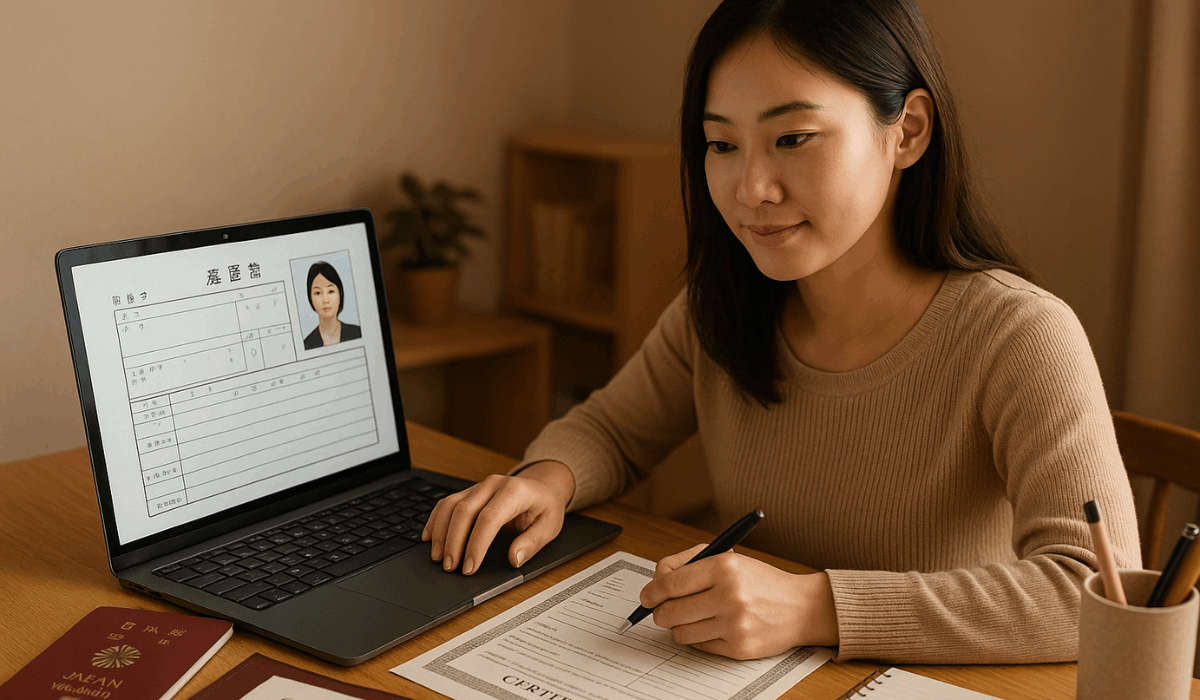
Applicants for manufacturing jobs in Japan need Japanese-style resumes and skill proof to improve hiring chances and speed visa approval.
- Rirekisho (Japanese Resume) – Standard form listing personal details, education, and work history; must include a photo and seal.
- Shokumu Keirekisho (Work History Sheet) – Detailed outline of job duties, skills, and technical achievements.
- Passport Copy – Essential for both employment paperwork and visa application.
- Certificates & Licenses – JLPT language results, skills test certificates, and technical qualifications relevant to factory work.
- Education Records – Diplomas, transcripts, or vocational training proof tied to industrial skills.
- Reference Letters – Recommendations from past employers or schools verifying experience and competence.
- Portfolio (For Skilled Roles) – Samples such as CNC programs, QC reports, or production process records.
Interviews & Assessments
Passing interviews and assessments in Japan tests technical skills and cultural fit, and good preparation increases hiring chances.
- Intro – Interviews and assessments are common in Japan. They test skills, language, and cultural fit. Good preparation improves your chances.
- Skill Tests – Employers may administer tests that assess math, measurement, or blueprint skills. Some roles include simple assembly or machine work.
- Language Ability – Basic Japanese is tested with questions or work terms. Clear answers matter more than grammar.
- Workplace Etiquette – Be punctual, dress neatly, and greet politely. Using keigo shows respect.
- Interview Questions – Expect questions about your past work, teamwork, and your decision to choose Japan. Keep answers short and precise.
- Practical Assessments – Some firms test dexterity or factory tasks. These show how fast you adapt.
- Offer Review – Check salary, overtime, housing, and contract terms before signing.
Visa Application Steps
After a job offer, the next step is the visa process, which includes employer sponsorship, embassy submission, and approval.
Correct documents speed up processing and ensure a smooth move to Japan.
- Certificate of Eligibility (COE) – The employer in Japan applies for this on your behalf, confirming your role and eligibility.
- Document Collection – Gather the required papers, including passports, resumes, certificates, and health checks.
- Embassy/Consulate Submission – Submit your visa application, along with the required COE, forms, and fees, at the Japanese embassy or consulate in your country.
- Processing Time – Wait for review, which typically takes 2–8 weeks, depending on the visa type.
- Visa Issuance – Once approved, the visa is stamped in your passport, allowing you to enter Japan.
- Arrival Procedures – Upon arrival, you will receive a Residence Card at the airport, then register at city hall, set up your banking, and complete other essential tasks.
Costs, Pay & Budget
Understanding costs, pay, and budgeting is vital in Japan. Wages vary by role and region, while smart budgeting covers expenses, savings, and remittances.
- Typical Wages – Entry-level jobs pay ¥1,000–¥1,300 per hour. Skilled roles, night shifts, and overtime pay more.
- Living Expenses – Main costs are rent, food, and transport. Tokyo is pricier than regional areas.
- Housing Options – Many employers offer dorms or subsidies. Private rentals are expensive and need deposits.
- Taxes & Insurance – Income tax, pension, and health insurance are deducted. Pension refunds are available when leaving Japan.
- Savings & Remittances – Workers can save or send money home. Watch exchange rates and transfer fees.
- Budgeting Tips – Track expenses, cook at home, and use commuter passes. Avoid waste to balance costs and savings.
Final Takeaway
Applying for manufacturing jobs in Japan requires meeting specific eligibility standards, preparing the necessary documents, and selecting the appropriate visa.
With the right skills, language ability, and budgeting, foreign workers can establish stable careers and adapt to life in Japan.
Take action now by preparing your qualifications and starting the application process to secure your opportunity.