

A €35 annual fee sounds low until three overseas transactions and a card replacement turn your La Banque Postale Visa Classic into a €90 card.
That math rarely shows up in reviews. And for anyone weighing this card against a free Revolut or N26 account, the missing details matter more than the listed perks.

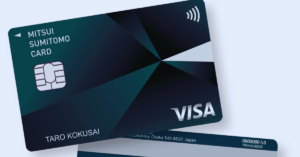

The Visa Classic from La Banque Postale still covers the basics well. Chip-and-PIN, contactless payments, 3D Secure online protection, and ATM access across France come standard.
But "covers the basics" is a loaded phrase when free alternatives exist. So let's break down where this card earns its fee and where it quietly costs more than expected.
La Banque Postale Visa Classic Fees Breakdown
The annual fee gets all the attention, and that's exactly the problem. A full picture of the Visa Classic card fees includes charges that only show up when you use the card in specific ways.
Treating the annual fee as the total cost is how people end up surprised at year-end.
Annual Fee and Youth Discounts
La Banque Postale charges roughly €30 to €40 per year for the Visa Classic, depending on account package.
Student and youth accounts sometimes qualify for reduced rates, though eligibility depends on age and account type.
Compared to premium cards charging €100+, the fee is modest. But compared to N26 Standard or Revolut Standard, which charge nothing, it needs justification beyond brand recognition.
ATM Withdrawal Charges
Domestic withdrawals at La Banque Postale ATMs are free. Other French bank ATMs may trigger a small fee after a set number of monthly withdrawals.
The cost creeps in abroad: overseas withdrawals carry both a fixed fee and a percentage commission, often around 2% or more. Add currency conversion on top, and pulling €200 from an ATM in Spain could cost €6-8 in combined charges.
Foreign Transaction Fees
Contactless and chip-and-PIN payments in euros carry no extra charge. But purchases in foreign currencies. Whether online or abroad, you face a percentage-based conversion fee that typically matches the overseas ATM rate.
For anyone buying regularly on non-euro websites or traveling outside the Eurozone, these fees accumulate quietly across a year.
Hidden Service Charges
Card replacement, express delivery, and certain insurance upgrades each come with separate fees.
These charges change annually and sit buried in La Banque Postale's fee schedule. Active cardholders who lose a card or request expedited service can add €10-20 in unexpected costs without realizing they've doubled the effective annual price of the card.
Visa Classic Card Features Worth Knowing
The feature list looks solid on paper. The question is how those features perform against what free cards offer in 2026, and where the Visa Classic still has a real edge.
Payment Security and 3D Secure
The card includes chip-and-PIN authentication and contactless payment up to standard limits.
Online transactions use 3D Secure (also called Verified by Visa), which adds an authentication step during checkout.
This extra verification reduces fraud risk, though some users find the additional login step slow during time-sensitive purchases. Security and speed trade off here, and La Banque Postale leans toward caution.
Immediate vs. Deferred Debit
French banking offers a choice that confuses newcomers: immediate debit (débit immédiat) or deferred debit (débit différé).
The Visa Classic supports both modes. Deferred debit groups all purchases during the month and debits them at once, usually at month-end.
The catch that reviews skip? Deferred debit makes your available balance misleading. Spending €500 across three weeks while your balance shows the full amount creates a false sense of room.
If the month-end debit pushes your account into overdraft, La Banque Postale's overdraft fees apply immediately.
I would choose immediate debit on the La Banque Postale Visa Classic because the deferred option hides spending patterns that only become visible when the consolidated charge hits.
Card Controls and Spending Limits
Default spending and withdrawal limits are adjustable through La Banque Postale's web portal and mobile app.
Instant card freezing is available if the card is lost or stolen. However, requesting a limit increase sometimes requires formal approval, which can take several business days. That lag matters if spending rises suddenly during travel or emergencies.
La Banque Postale Visa Classic vs. Online Bank Cards
Comparing the Visa Classic to fintech alternatives reveals where each option wins and where it falls short. The table below puts the three most common choices side by side.
| Feature | La Banque Postale Visa Classic | Revolut Standard | N26 Standard |
|---|---|---|---|
| Annual fee | €30-40 | €0 | €0 |
| Foreign transaction fees | ~2%+ | 0% (up to monthly limit) | 0% (up to monthly limit) |
| ATM withdrawals abroad | Fixed fee + ~2% | Free (up to limit, then 2%) | Free (up to limit, then 2%) |
| Branch access | 17,000+ La Poste locations | None | None |
| Deferred debit option | Available | Not available | Not available |
| 3D Secure | Built-in | Built-in | Built-in |
The Visa Classic wins on branch access and deferred debit availability, while both Revolut and N26 win on cost for anyone making foreign currency transactions.
The Branch Access Argument Falls Apart
I think the branch access argument for La Banque Postale is weaker than people assume, because 17,000 La Poste locations sounds impressive until you realize that card disputes, fraud reports, and account questions all route through the same call center and digital channels that online banks use.
Walking into a post office branch for a card issue often means waiting in line behind package senders, then being told to call customer service anyway.
For cardholders under 40 who handle banking through apps, paying €35/year for branch access they'll use once or twice is hard to justify.
The fee makes sense for retirees or anyone who genuinely prefers face-to-face banking. But the blanket recommendation that La Banque Postale's physical presence makes it superior? That advice is five years old.
Insurance and Travel Coverage Gaps
The Visa Classic includes basic travel assistance and purchase protection: coverage for lost or stolen cards and emergency cash advances abroad. But the coverage stops well short of what premium cards offer.
Extended travel insurance, high-value purchase guarantees, and concierge services are reserved for Visa Premier and above.
For anyone taking more than two international trips per year, the Visa Classic's travel insurance is too thin to rely on. A separate travel insurance policy would still be necessary, which adds another cost the annual fee comparison doesn't capture.
Who the La Banque Postale Visa Classic Works For
This card fits a specific profile better than others, and being honest about that profile saves readers time.
The Visa Classic can be suitable for these types of cardholders:
- People who bank primarily in euros and rarely make foreign currency purchases online or abroad
- Retirees or older cardholders who prefer walking into a La Poste branch for account questions
- Budget-conscious users who want a recognized Visa card without premium-tier annual fees
- French residents who already hold a La Banque Postale account and want the simplest add-on card
The card is a poor fit for these situations:
- Frequent international travelers will lose the annual fee savings on foreign transaction charges alone
- Fintech-comfortable users under 40 can get identical payment features for €0 through Revolut or N26
- Anyone needing strong travel insurance will still need a separate policy, negating the bundled coverage
La Banque Postale publishes its full fee schedule on the official website. Checking the latest version before applying is worth the five minutes, since minor charges shift each year.
For a broader comparison of French card options, the Banque de France consumer guide covers cardholder rights and fee transparency rules.
Questions People Ask About La Banque Postale Visa Classic
Q: Can I use the La Banque Postale Visa Classic outside of France? The card works anywhere Visa is accepted, which covers the vast majority of merchants and ATMs worldwide. Just keep the foreign transaction fee of roughly 2% in mind for non-euro purchases, because that cost adds up faster than the daily withdrawal cap.
Q: Is the Visa Classic good for online shopping? For euro-denominated online shopping, it works perfectly fine with 3D Secure built in. The trouble starts when buying from UK or US retailers in pounds or dollars, where the conversion fee hits every single transaction separately.
Q: How do I switch between immediate and deferred debit? The debit mode is usually set when the card is issued, but switching later may require contacting La Banque Postale directly. Some account packages lock the debit type, so confirming flexibility at signup saves a headache later.
Q: Does La Banque Postale offer a free Visa Classic for students? Student packages sometimes reduce the annual fee, though a fully free card is rare for the Visa Classic tier. The discount depends on the specific student account and age requirements, which change periodically.
Q: Is the Visa Classic better than the Visa Premier from La Banque Postale? The Visa Premier costs roughly €130-145 per year but includes stronger travel insurance and higher spending limits. For anyone traveling internationally more than twice a year, the Premier pays for itself through insurance coverage alone.
Conclusion
The La Banque Postale Visa Classic earns its place for euro-only spending and branch-dependent users. Foreign transaction fees and thin travel insurance quietly weaken the card's value for travelers.
Free fintech cards from Revolut and N26 deliver identical payment features without the annual cost. Picking this card depends on how much physical branch access is worth to your daily routine.