

In credit rebuilding, access frequently matters more than perks or points. Surge Mastercard Credit Card Advantages focus on unsecured access, frequent credit line reviews, and bureau reporting that helps establish a track record when options are limited.
As of today, the product remains accessible to a wide range of profiles while carrying notable costs that require disciplined use and a clear payoff plan.



Matching intent here means learning the application flow, setting expectations on fees and APR, then using the account to show consistent, on-time behavior.
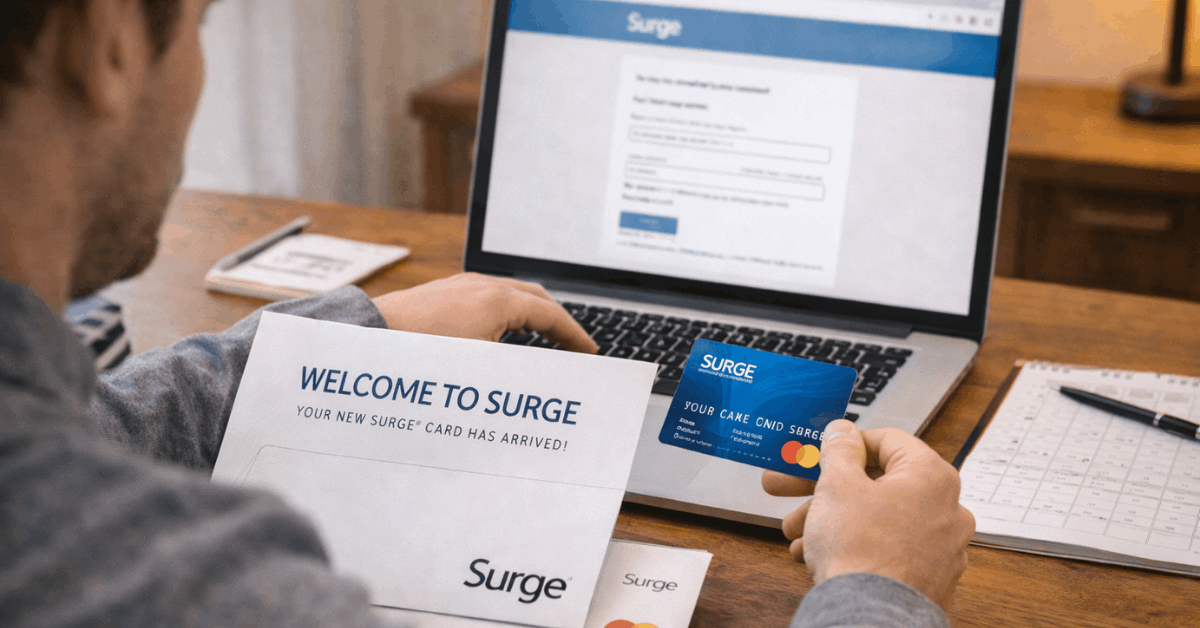
What The Surge Mastercard Is
Surge is an unsecured credit card for people building or rebuilding credit without locking cash in a deposit. Issuance occurs through a Celtic Bank issuer relationship, while account servicing is provided by Continental Finance under the Mastercard network.
Standard network protections include Zero Liability for unauthorized transactions, which shields cardholders when disputed fraud meets program conditions.
Everyday acceptance works at most merchants worldwide that process Mastercard, including chip, magstripe, contactless, and online transactions.
Product Purpose-Built for Credit Building
Most offers do not include rewards or a welcome bonus, which keeps the product purpose-built for credit building rather than ongoing earnings.
Accounts typically start between 300 and 1,000 dollars, with periodic reviews that can raise limits after a string of on-time payments.
E-statements also unlock a free monthly credit report, which helps monitor progress and spot errors quickly.
Surge Mastercard Credit Card Advantages
Clarity on the benefits prevents surprises and helps you use the card for measurable progress rather than convenience spending.
Accessibility and Eligibility
Prequalification evaluates basic information using a soft inquiry, which preserves your score while gauging the odds of approval.
Applications welcome a wide credit spectrum, which suits profiles recovering from past delinquencies or thin-file newcomers.
Surge Mastercard prequalification acts as a filter that narrows offers and fees without committing to a hard pull. Expect basic data requirements, including legal name, physical address, date of birth, Social Security number, income, and contact details.
Credit Reporting and Score Growth
Reported to three bureaus, activity supports score development when payments remain on time and balances stay modest.
Continental Finance servicing transmits monthly updates to Experian, Equifax, and TransUnion, which means positive patterns can compound across models.
A rising limit over time also helps utilization, since the ratio compares the balance to available credit each cycle. Missed payments quickly undermine that progress, so calendar alerts and autopay deserve early setup.
Initial Limits and Reviews
Entry limits usually fall between 300 and 1,000 dollars based on credit file signals. Credit limit increase review occurs automatically after roughly six on-time minimum payments, and further reviews may occur later.
A higher limit can reduce utilization even at the same spending level, which helps most scoring models. Keeping statement balances below 30% of the limit builds a consistent pattern that algorithms reward.
Acceptance and Security
Mastercard acceptance covers everyday merchants, fuel, groceries, travel bookings, and online stores.
Zero Liability applies to unauthorized transactions that meet issuer and network conditions, which reduces fraud exposure when issues arise.
Alerts, online statements, and mobile notifications shorten response time when suspicious activity appears. A prompt dispute and card reissue process protects the file while minimizing hassle at checkout.
Rates and Fees To Expect
Costs sit on the high side for a credit-building card, so planning around them protects your budget.
Typical offers show a variable APR that can reach 35.90 percent, which makes carrying a balance expensive over multiple cycles. Annual fees appear on many offers, often up to 125 dollars, and monthly maintenance fees can apply after year one based on the assigned credit limit.
Foreign transaction fees commonly land at 3%, while cash advance fees generally price at 3% or $10, whichever is higher.
Penalties
Penalty fees up to forty-one dollars apply for late or returned payments, which can erase several months of progress instantly.
Additional card fees near thirty dollars and premium card design fees near nine dollars and ninety-five cents appear on many disclosures.
Some fee amounts vary by credit limit tier, which means two approved applicants may see different cost structures. Reading the pricing disclosure in full protects against surprises and clarifies what triggers higher ongoing costs.
How To Apply Online
A clean, step-wise approach shortens time to decision and reduces avoidable hard pulls. Keep documents nearby and confirm that personal data matches government ID exactly to prevent identity verification delays.
- Check Prequalification
Start with a soft-pull offer to view potential terms without scoring impact, then note the APR, annual fee, and any maintenance fee language. - Review Offer Details
Verify the credit limit range, fee schedule, and dispute rights, and confirm that the terms mention the Celtic Bank issuer and Continental Finance servicing. - Submit Full Application
Authorize the hard inquiry only after confirming the offer fits your plan, then submit accurate income, housing, and contact information. - Receive Decision And Card Mailer
Most applicants see an instant decision, and approved cards typically ship within several business days depending on the fulfillment queue. - Activate And Set Up Tools
Activate through the website or toll-free line, enroll in e-statements for the monthly credit report, and enable alerts, autopay, and account lock controls.
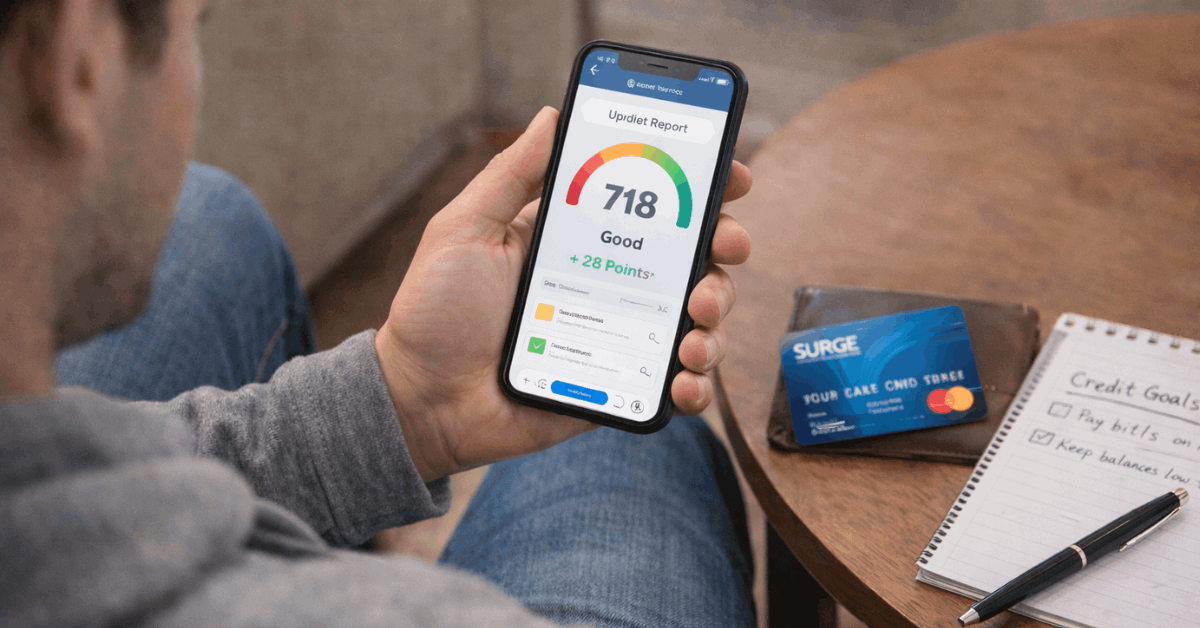
Set Up and Daily Use Best Practices
Strong outcomes come from predictable habits that score models recognize and reward.
- Set autopay for at least the statement minimum, then pay in full whenever possible to avoid interest at the card’s high APR.
- Keep utilization below thirty percent at statement cut, or even lower if aiming for quicker gains during reviews.
- Avoid cash advances because fees start immediately, and interest accrues without a grace period.
- E-statements and the mobile app streamline monitoring, payments, and due date awareness on the go.
- Using spend only where needed supports lower balances while still generating positive monthly reporting.
- Periodically check your free monthly credit report, if provided, and dispute inaccuracies promptly through the listed channel.
- If a higher limit arrives after review, resist the urge to expand spending; treat the extra headroom as a utilization cushion that supports score stability.
Alternatives To Compare
Context helps decide if unsecured access without rewards is worth the higher carrying cost. These comparisons summarize frequently cited alternatives that address similar needs at different fee levels.
| Card | Annual Fee | Deposit Required | Rewards | APR As Of Dec 2025 | Max Limit | Foreign Fee |
| Surge Platinum Mastercard | Up to $125 plus possible monthly fee after year one | No | None | Up to 35.90 percent variable | Up to $4,000 after reviews | 3 percent |
| Discover it Secured | $0 | Yes, typically $200+ | 2 percent at gas and restaurants up to a cap, 1 percent elsewhere | About 26.74 percent variable | Based on deposit and reviews | 3 percent |
| Petal 2 “Cash Back, No Fees” Visa | $0 | No | 1 to 1.5 percent after on-time history, plus select merchant offers | About 28.49 to 30.49 percent variable | Up to $10,000 | $0 |
Who Should Consider This Card
Applicants seeking an unsecured line without tying up a deposit will find the Surge structure straightforward. Profiles recovering from recent late payments or charge-offs may still see a path to approval, which is rare across mainstream issuers.
Households prioritizing rapid score recovery can use disciplined, low-utilization spending to earn higher limits during periodic reviews.
Anyone looking for ongoing rewards value or low carrying costs should study secured or no-fee alternatives first, especially for international use and recurring foreign transactions.
Tips When Considering This Card
Serious planners map a six to twelve-month horizon and reassess after the first credit limit increase review. If scores rise and stronger products become available, a product change or clean closure after a zero balance can lower long-term costs.
Keeping the account open while minimizing use may help the average age of accounts, but that must be weighed against annual and monthly fees in year two and beyond. A card that costs more than it helps is a signal to switch once eligibility improves.
Conclusion
Surge Mastercard Credit Card Advantages center on unsecured access, broad acceptance, and consistent bureau reporting that can lift scores with steady use.
Costs remain significant, so value depends on tight payment discipline and careful avoidance of interest and fees.
Doing a deliberate run focused on on-time payments and low balances can achieve a specific rebuilding goal efficiently. Careful review of current disclosures ensures the chosen offer fits your plan without derailing your budget.