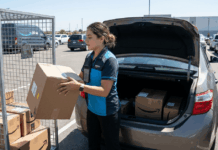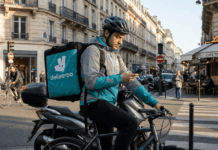

France’s food delivery industry is thriving, offering accessible work to people from around the world. Whether aiming for extra income or a steady job, food courier roles are open to diverse backgrounds.
This article provides practical guidance for anyone, regardless of location, interested in food delivery jobs in France . The focus is on real steps and universal requirements, not just promotion.


If flexibility, independence, or exploring a new work environment appeals to you, diving into the world of French delivery platforms can be a worthwhile pursuit. Let's outline what you truly need to know.

Why Food Delivery Jobs in France Attract International Workers
Many opt for food delivery in France because the entry barriers are relatively low. Companies welcome drivers, bikers, and walkers, relying on a growing demand in both cities and smaller towns.
It’s not only for locals—platforms in France have streamlined their hiring so various profiles, including internationals and expats, can participate. The ability to choose schedules is also a draw for students and travelers.
For those from abroad, food delivery provides exposure to French culture, interaction with local businesses, and a new way to earn while settling into the community.
Requirements for Food Delivery Jobs in France
Right to Work
Applicants must have legal authorization to work in France. Non-EU citizens usually require a valid work visa. EU/EEA citizens face simpler processes, needing documentation for identity verification.
Age and Document Checks
Most platforms require workers to be at least 18 years old. Standard checks include photo ID, proof of residence, and sometimes a clean criminal record certificate.
Transport and Equipment
Bicycle, scooter, or car options allow varied access. Each method may require related permits or insurance, especially for motor vehicles. Some companies can assist with insurance solutions.
Smartphone Access
Modern couriers need a smartphone with a reliable data plan. Apps coordinate orders, routes, and payments, so digital literacy and device compatibility are valuable.
How to Apply: Step-by-Step Overview
1. Choose Your Platform
Top companies hiring in France include Uber Eats , Deliveroo , and Just Eat. Global jobseekers often start applications on their chosen platform’s official website or app.
2. Register an Account
The process typically starts online. You’re prompted to enter basic personal information, including contact details and preferred delivery method. Each platform uses secure web forms.
3. Submit Documents
Photo ID, proof of address, and, for some, work authorization documents are next. Submission is digital—scanned files or smartphone photos are the norm. Authenticity is checked quickly.
4. Complete Onboarding
Applicants may go through an online orientation or training module. This covers road safety, app navigation, and code of conduct. Some companies request short introduction videos.
5. Activate Your Account
Once documents are approved, your account becomes active. You can now accept delivery requests on the platform’s app. Equipment like insulated bags is often available for purchase or rental.
Popular Food Delivery Platforms in France
Uber Eats
Uber Eats operates widely across France, supporting newcomers and experienced couriers. The official Uber Eats registration page provides the most reliable route for applicants.
Deliveroo
Deliveroo is favored by many for its flexible hours and transparent payment systems. Its online application handles all documentation securely, with multi-language support for global users.
Just Eat
Just Eat is present in key French cities, offering options for drivers and cyclists. The platform is friendly to those seeking part-time or occasional work, and registration is streamlined for speed.
Earnings and Payouts for Couriers in France
Payment Structure
French delivery apps typically pay per completed delivery, with surge rates during busy periods. Bonuses for peak times and service ratings also enhance earnings potential.
Payout Timing
Payouts often occur weekly or bi-weekly. Applicants set up payment to their French bank account, with some apps now supporting alternative payment systems or instant payout features.
Legal, Tax, and Insurance Considerations
Freelance Status
Most food delivery workers register as auto-entrepreneurs (freelancers) in France. Registration is done through official government sites and is crucial for tax compliance.
Income Declaration
All earnings must be declared to French tax authorities, even for international couriers. Platforms do not automatically deduct taxes, so self-organization is essential.
Insurance Needs
For those using bicycles, scooters, or vehicles, civil liability and sometimes vehicle insurance are necessary. Some companies provide group insurance; others expect workers to arrange their own.
Tips for a Successful Application
Prepare Documents Early
Having digital copies of all required documents before you start the application can make the process less stressful. Neat and legible scans help avoid delays.
Double-Check Eligibility
Before applying, reviewing the latest requirements for work permits and insurance in France helps avoid setbacks. Rules may change, and accuracy matters.
Use Reliable Contacts
When asked for references or referrals, using accurate personal and contact details simplifies verification. Most applications proceed without the need for recommendations.
Conclusion: Getting Started with Food Delivery Jobs in France
The path to becoming a food courier in France is open to candidates worldwide, with accessible online processes and transparent requirements.
It’s an avenue for learning, earning, and integrating into local life—though, as with any job, a bit of patience, organization, and willingness to adapt matter. Exploring opportunities on platforms such as Uber Eats' official site offers a trusted starting point.
Success often follows a careful, well-prepared application. For those feeling uncertain, it's reassuring to know that support and FAQs on these official sites provide extra guidance along every step.