
A Mercado Pago prepaid card only spends the balance sitting in your account. There is no credit line, no grace period, no statement cycle. Load money, spend money, done.
That simplicity gets marketed as a feature. And for a lot of people, it is. But the same structure that prevents overspending also locks you out of building any credit history, earning deposit protection, or using the card across borders.
This guide is for first-time fintech users in Argentina, Mexico, or Brazil who want a digital card and assume Mercado Pago is the obvious starting point. The request process is easy. The question worth asking is whether the card behind it matches what you need six months from now.
How the Mercado Pago Card Differs from a Bank Card
The Mercado Pago card is tied directly to your Mercado Pago digital wallet. Think of it as a spending card for your wallet balance, available in both physical and virtual formats depending on which country you're in.
It Runs on Prepaid Logic, Not Credit
A traditional debit card pulls from a bank account. A credit card borrows from a lender. The Mercado Pago card does neither.
It spends from a stored balance inside the Mercado Pago app. That means every purchase requires pre-loaded funds. No balance, no transaction.
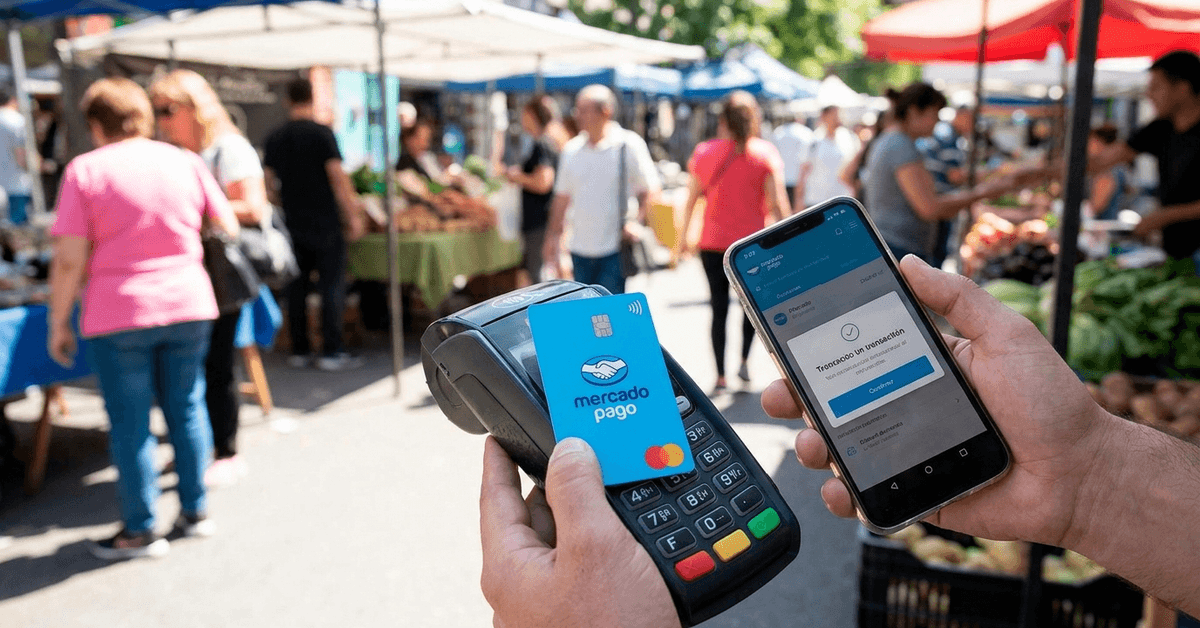
This setup works well for people who want to cap their spending at a hard ceiling every month.
It falls short for anyone who needs purchase protection, a revolving credit option, or the kind of transaction records that banks recognize when reviewing a loan application.
Spending Alerts and Instant Card Lock
One thing the Mercado Pago card does well is real-time notifications. Every purchase triggers an instant push notification.
PIN protection is built in, and the app lets you freeze the card in seconds if something looks wrong. These are table-stakes features for any digital card in 2026, but they work reliably here.
Step-by-Step Process to Request a Mercado Pago Card
The application is entirely digital and takes less than ten minutes for most users. The sequence below covers the general flow across Argentina, Mexico, and Brazil, though specific labels in the app may vary by country.
Verify Your Account Information First
The app needs your full legal name, national ID number (DNI in Argentina, CURP or INE in Mexico, CPF in Brazil), date of birth, and current residential address.
Mismatched data between your ID and your app profile is the most common reason applications get rejected. Some users also need to upload a recent utility bill for address confirmation.
Find the Card Section in the App
Open Mercado Pago and look for "Tarjetas" or "Cards" in the bottom navigation bar or profile menu. Tap "Solicitar tarjeta" (Request Card). The app will show you what's available in your market: physical, virtual, or both.
Choose Between Physical and Virtual
The virtual card activates instantly and generates a card number you can use for online purchases right away. The physical card ships to your registered address, typically within 7 to 15 business days, with tracking available inside the app.
I'd lean toward requesting the virtual card first if your main spending happens online, then ordering the physical version later for ATM access and in-store payments.
Submit Verification and Accept Terms
The app may ask for phone number verification, a selfie for identity matching, and confirmation of your shipping address.
After completing those steps, read the card agreement. It should list any applicable fees, privacy terms, and user rights. Skipping this step is common but risky: fee structures and balance limits differ by country.
Activate and Set a PIN
Physical cards require activation through the app before first use. The app prompts you to set a four-digit PIN. Avoid sequential numbers like 1234 or repeated digits.
Once activated, the card is ready for ATM withdrawals at any Visa or Mastercard-affiliated machine, depending on the card network your country's Mercado Pago partners with.
The Country-Lock Problem Nobody Mentions
Mercado Pago operates in seven Latin American countries: Argentina, Brazil, Mexico, Colombia, Chile, Uruguay, and Peru.
That sounds like broad coverage until you realize each country's version of Mercado Pago is a legally separate entity. They don't share wallets, balances, or payment infrastructure.
Your Argentine Account Won't Work in Brazil
If you open a Mercado Pago account in Argentina and travel to Brazil, scanning a Brazilian merchant's QR code with your Argentine app returns an error. Same platform name, completely different system underneath.
The accounts are walled off by country-specific regulatory frameworks and currency rails. This matters if you split time between countries, travel frequently within Latin America, or assumed the Mercado Pago brand meant cross-border interoperability.
A Visa or Mastercard prepaid travel card from a global provider would work across those borders. The Mercado Pago card does not.
Foreigners Hit a Wall Fast
Requesting a Mercado Pago card requires a national ID from the country where you're applying. No DNI in Argentina? No card. No CPF in Brazil? Same story. There is no workaround within the app for tourists, digital nomads, or expats without local documentation.
Mercado Pago Card vs. Ualá vs. Nubank
Picking a digital card in Latin America means choosing between platforms that look similar on the surface but operate under very different regulatory structures. That regulatory difference affects how safe your money is.
| Feature | Mercado Pago | Ualá | Nubank |
|---|---|---|---|
| Card Type | Prepaid (also credit in select markets) | Prepaid + Credit | Credit + Debit |
| Banking License | PSP (payment service provider) | Licensed bank (Argentina & Mexico) | Licensed bank (Brazil, Mexico, Colombia) |
| Deposit Protection | No government guarantee | SEDESA in Argentina, IPAB in Mexico | FGC in Brazil |
| Countries | 7 LATAM markets | Argentina, Mexico, Colombia | Brazil, Mexico, Colombia |
| Savings Yield (Mexico) | Up to 13% annual | Up to 15% annual (with conditions) | Up to 13% annual |
The licensing difference is the row that should grab your attention.
Why the Banking License Gap Matters
I think Mercado Pago gets recommended too quickly as a first digital card, especially in Argentina and Mexico, because of Mercado Libre's brand recognition.
But Ualá already holds banking licenses in both Argentina (through its acquisition of Wilobank) and Mexico (through ABC Capital). That means deposits in Ualá get government-backed deposit insurance: SEDESA coverage in Argentina, IPAB coverage in Mexico.
Mercado Pago operates as a payment service provider, not a licensed bank. The company has applied for a full banking license in Argentina and expects approval in Mexico, but as of mid-2026, neither has been granted.
For someone parking $500 or $1,000 equivalent in a digital wallet, the distinction might feel academic. For anyone treating their fintech account as a primary financial hub, it changes the risk equation entirely.
Fees, Limits, and Fine Print Worth Checking
The Mercado Pago card is generally free to request and carries no monthly maintenance fee in most markets. But "free" has limits that are easy to miss.
- ATM withdrawal fees vary by country and by the ATM network. Mercado Pago may not charge on their end, but the ATM operator often will.
- Foreign transaction fees apply if you use the card for purchases on international websites priced in a different currency.
- Balance caps on earning interest: in Mexico, Mercado Pago's savings yield applies only up to $25,000 MXN. Amounts above that threshold sit idle.
- Daily and monthly spending limits exist and differ by verification level. A partially verified account has tighter restrictions than a fully verified one.
Check the fee schedule on the official Mercado Libre investor relations page or within the app's help center for your specific country. These figures change regularly.
Keeping Your Mercado Pago Card Secure
Two-factor authentication should be turned on the moment you create your account. This single step blocks the majority of unauthorized access attempts.
Beyond that, a few practical habits reduce risk:
- Never access your account on public Wi-Fi without a VPN. Open networks are the easiest entry point for session hijacking.
- Disable contactless payments on the physical card if you carry it in a crowded environment and don't use tap-to-pay regularly.
- Review transaction history weekly, even for small amounts. Fraudulent charges often start with micro-transactions to test whether the card is active before larger purchases hit.
If you spot an unauthorized charge, freeze the card inside the app first, then open a support ticket. Mercado Pago's in-app support channels tend to be faster than email or phone for card-related disputes.
Questions People Ask About the Mercado Pago Card
These are the questions that come up most often for people researching their first fintech card in Latin America.
- Q: Can I use my Mercado Pago card outside Latin America? The card works at any merchant or ATM displaying the Visa or Mastercard logo worldwide, depending on the network in your country. Foreign transaction fees will apply, and the exchange rate used is set by the card network, not by Mercado Pago. Compare that rate against a multi-currency card like Wise before relying on it for international spending.
- Q: Does the Mercado Pago card help build credit history? The prepaid card does not report to credit bureaus. If Mercado Pago has offered you a separate credit card product (available in select markets like Argentina), that one may report. But the standard prepaid card is invisible to lenders reviewing your credit file.
- Q: What happens if my Mercado Pago card request gets rejected? The most common causes are unverified identity documents, mismatched address data, or an account that hasn't completed all verification steps. Fix the flagged information, wait a few days, and try again. Regulatory quotas in some countries can also temporarily limit new card issuance.
Conclusion
The Mercado Pago card is a solid entry point for people already deep in the Mercado Libre ecosystem. Requesting one takes minutes, costs nothing upfront, and the virtual version works immediately for online purchases.
But treating it as your only financial tool ignores the licensing and deposit protection gaps that competitors like Ualá and Nubank have already closed.
The smartest move for a first-time fintech user in 2026 is opening two accounts: one for spending, one for saving, matched to which platform has the stronger regulatory backing in your country.