

Remote and side gig economies keep expanding, and flexible jobs are in higher demand than ever.
Walmart Spark Driver is one route many people consider if they want part-time work, flexible schedules, or even just a bit more income each month. But what is it really, how does it work, and is it right for you?



This article is designed for anyone curious about becoming a Spark Driver or those weighing flexible work options—even if you’ve never delivered for a major brand before.
Fair warning: the application steps might seem simple, but some details are easy to overlook. Here’s what to expect (and why it matters for your wallet and lifestyle).
What Is Walmart Spark Driver?
The Walmart Spark Driver program partners independent contractors with Walmart stores to deliver orders directly to customers’ doors.
Unlike traditional Walmart employees, Spark Drivers are self-employed—they operate similar to gig workers for other popular platforms. The flexibility might stand out, but there are other factors worth understanding first.
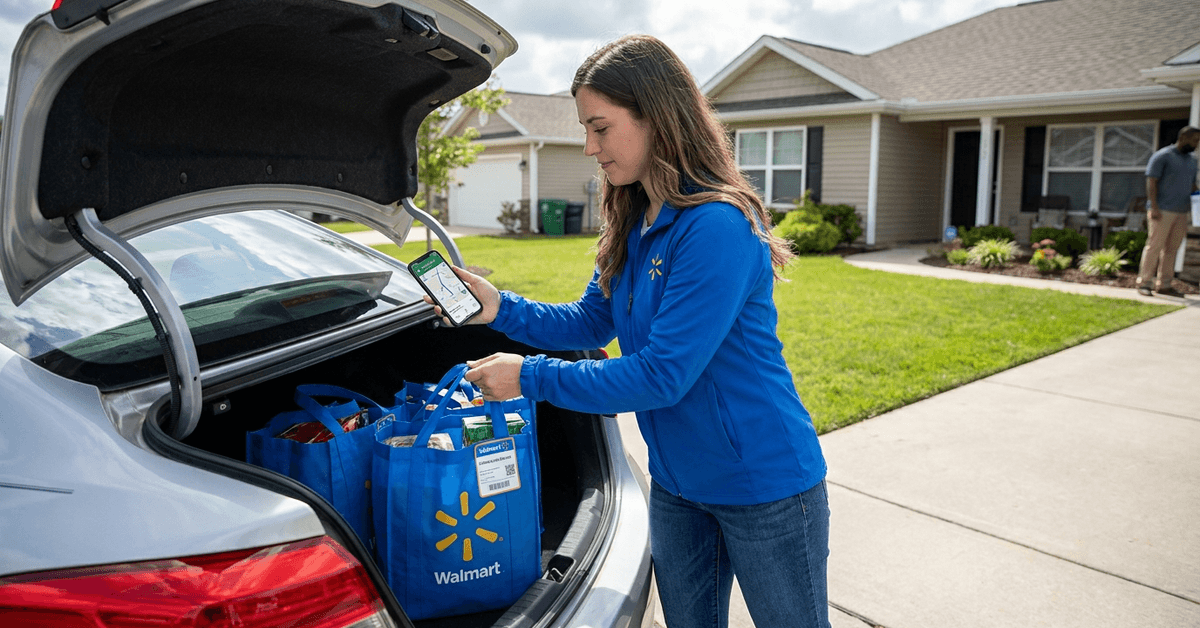
Why Consider Walmart Spark Driver for Flexible Work?
There are many reasons people look to delivery gigs like Spark Driver. Some want to supplement income.
Others, perhaps, just like the idea of setting their own working hours. Whatever the motivation, the combination of independence and practicality deserves a closer look.
Flexibility Around Your Schedule
Spark Driver’s model lets workers select preferred delivery times. This could suit students, parents, or anyone juggling other jobs. The preference for flexibility, at least for some, seems like a crucial benefit.
Accessible for Newcomers
There’s no requirement for prior delivery experience. All that's usually needed is a reliable car, a smartphone, and the willingness to complete basic onboarding steps.
Volume of Opportunities
Because Walmart serves communities nationwide, there are delivery orders in many areas, not just major cities. But, admittedly, some rural or less populated places may see fewer requests.
How Does Walmart Spark Driver Work?
The Spark Driver platform connects approved drivers with customer orders. When a delivery is available, drivers can opt-in to claim it. Here’s a basic rundown of how the process typically unfolds:
- Receive order offers via the mobile app
- Check the pay, distance, and store location details for each potential delivery
- Choose which orders to accept (or ignore those that don’t fit your day)
- Pick up orders from local Walmart stores or designated pickup points
- Deliver to customers, following app-provided navigation
- Submit delivery confirmation through the app
It sounds straightforward in theory, but decisions like which orders to accept and when can influence your overall earnings. Some drivers, perhaps, experiment for a few weeks to identify their preferred approach.
The Online Application Process: Steps to Get Started
The path to becoming a Spark Driver usually begins online and might finish in just a few days, depending on background checks and local demand. Here’s what the standard process tends to involve:
Step 1: Eligibility Requirements
Most applicants will need to:
- Be 18 years or older
- Hold a valid driver’s license
- Carry necessary auto insurance
- Own a registered, reliable car
- Possess a smartphone
- Pass criminal background and driving record checks
If any requirement is missing, there’s a chance of being ineligible until it’s resolved. Perhaps that seems unfair, but it’s standard for most gig platforms.
Step 2: The Application Form
Applicants can start via the official Spark Driver site. The form asks for basic details: contact information, location, and driving credentials. Sometimes, waitlists appear in regions with too many drivers. In that case, regular checking never hurts.
Step 3: Background and Screening
Expect a criminal and driving history check, handled by third-party providers. The time it takes varies, but, in my experience, it rarely exceeds two weeks. Occasionally there might be extra steps if records contain inconsistencies.
Step 4: App Setup and Orientation
Once approved, drivers receive instructions to download the Spark Driver app. Orientation content and guidelines are included, often as brief videos or interactive guides.
Step 5: First Delivery and Onboarding
With app access granted, drivers can view live order offers and begin delivering. There’s no formal training shift, but the first delivery often serves as a real-world test run.
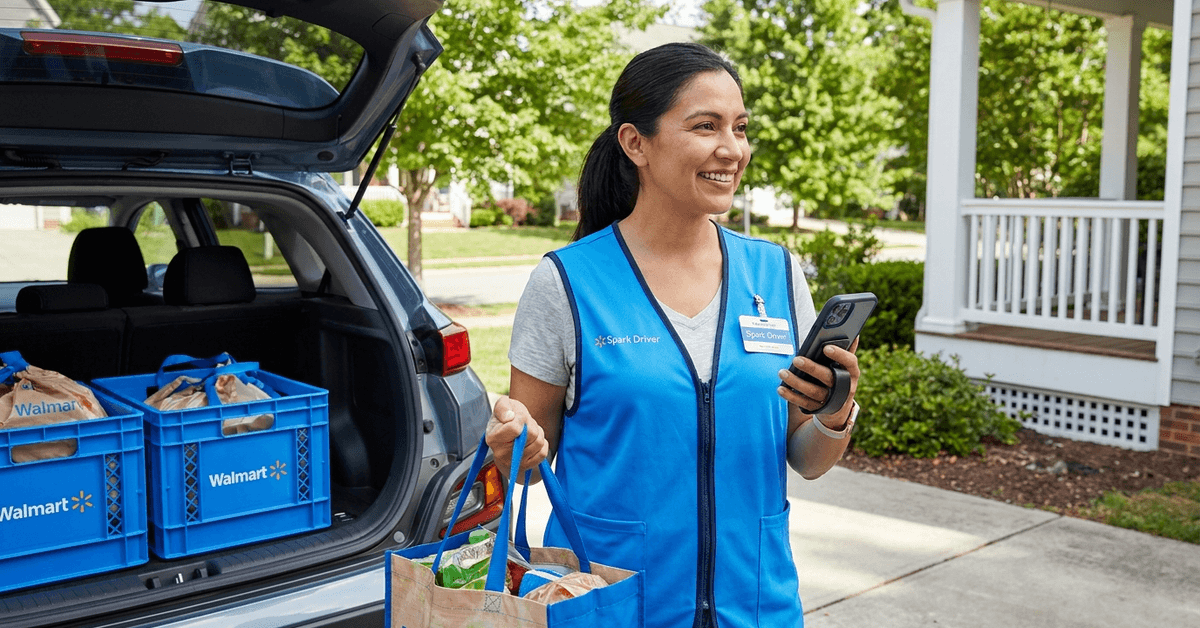
What Does a Spark Driver Deliver?
Deliveries can vary. Sometimes it's groceries picked, packed, and ready for curbside. Sometimes it’s general merchandise—everything from electronics to toys.
Most orders are pre-packed; drivers rarely do the shopping. The mix of order types may depend on where you live.
Customer expectations for promptness and safe handling are high. But, from what I’ve heard, many customers leave positive feedback if deliveries are simply on time and well handled.
How Does Pay Work for Walmart Spark Drivers?
Payments aren’t always predictable. Each job offer lists an estimated payout, sometimes with incentives or bonuses. There’s also the possibility of tips, which drivers keep 100% of. Still, pay can fluctuate—some days might be busier than others.
Pay Structure Overview
- Per delivery payment (stated upfront in the app)
- Occasional bonus incentives (especially for high-volume times)
- Customer tips
- Weekly payouts via direct deposit
There’s no hourly wage—total earnings depend on orders completed and tips received. Drivers can, at times, decline low-paying or distant orders without penalty.
Tips to Maximize Earnings With Spark Driver
Optimizing your Spark Driver experience—if you choose to pursue it—can be the difference between modest pocket money and a more significant side income.
Accept High-Payout Orders
Orders offering incentives or peak-time bonuses might boost average pay. But a longer drive or heavier load can offset those gains. Sometimes, it may help to calculate total effort upfront.
Understand Busy Times
Deliveries spike during certain hours—weekends, holidays, or just before dinnertime. Accepting orders during those times may offer more choices and better tips.
Maintain Customer Service
Politeness, promptness, and safe delivery help foster repeat orders and, perhaps, better tips over time.
Monitor Expenses
Keep track of fuel, maintenance, and insurance costs. While these eat into gross pay, they’re part of the reality of gig work.
Things to Know: Legal and Tax Considerations
As a Spark Driver, you’re self-employed—or, technically, an independent contractor. This impacts taxes, insurance, and potentially even what car expenses are deductible. Some people find the change simple to adapt to, but others seek extra guidance. Either approach works, but tax season brings new questions.
Tracking Income and Expenses
Keeping detailed records of gig income, mileage, and job-related expenses helps at tax time. IRS resources, tax apps, or even a simple spreadsheet could make life easier here.
Insurance and Liability
Personal auto insurance might not always cover business use. Spark Driver offers guidelines; some regions or states have stricter requirements. A quick call to your agent now could spare a surprise later.
W-9 and 1099 Forms
Expect to submit a W-9 at signup and receive a 1099 form detailing earnings each tax year, as with any gig platform.
Comparing Spark Driver to Other Gig Economy Platforms
Choosing between Spark Driver, DoorDash, Instacart, or Uber Eats? Differences might not be obvious at first glance. Spark tends to focus heavily on Walmart orders, while others span a wider array of restaurants or stores. Reliability, earnings, and even the order pickup experience can all differ.
Trying more than one app, at least initially, seems like a fairly common approach for new drivers.