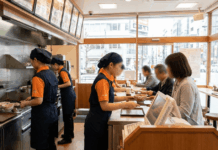

Packing jobs in Japan are in high demand across factories, warehouses, and logistics centers.
You can choose between seasonal work with flexible contracts or permanent positions that offer stability and benefits.



This article explains the differences, salaries, and what to expect so you can decide the best path.
Overview of Packing Jobs in Japan
Packing jobs are widely available in Japan, especially in logistics, factories, and e-commerce.
You will handle tasks that require attention to detail and physical stamina. Below is a list of the main points you need to know:
- Industries Hiring Packers – Logistics hubs, warehouses, food processing plants, and online retail companies.
- Typical Duties – Sorting, labeling, wrapping, checking product quality, and preparing shipments.
- Skills Needed – Basic Japanese, ability to follow instructions, and physical strength for lifting.
- Work Environment – Factory lines, refrigerated warehouses, or distribution centers.
- Schedules – Shifts may include nights, weekends, or overtime depending on demand.
- Entry-Level Friendly – Many jobs require no prior experience, making them accessible to foreign workers.
Seasonal Packing Job Opportunities
Seasonal packing jobs in Japan are concentrated in industries that experience demand spikes during certain times of the year.
These roles provide temporary but steady income for workers who can adapt to fast-paced environments. Here are the primary industries:
- Agriculture – Harvest season requires extra hands for sorting, packing, and shipping produce.
- Food Processing – Factories hire temporary staff to package seafood, snacks, and ready-to-eat meals.
- E-commerce Warehouses – Online retailers often require additional staff during holidays and sales campaigns.
- Retail Distribution – Supermarkets and department stores expand their workforce to handle increased stock.
- Logistics Centers – Delivery companies employ seasonal packers to manage surges in parcel volume.
Work Conditions, Pay, and Benefits
Seasonal packing roles come with specific conditions that you should understand before applying.
These positions often pay hourly wages, offer limited benefits, and involve demanding schedules. Here are the main points:
- Work Hours – Shifts can be long, often including nights, weekends, and overtime during peak demand.
- Pay Range – Typical hourly wages range from ¥1,000 to ¥1,300, with overtime pay slightly higher.
- Workload – Jobs are physically demanding, requiring prolonged periods of standing and repetitive tasks.
- Benefits – Limited; most seasonal contracts exclude health insurance, pension, or bonuses.
- Housing Support – Some employers provide temporary dormitories, but this is not guaranteed.
- Job Security – Contracts usually last 1–6 months, ending once demand decreases.
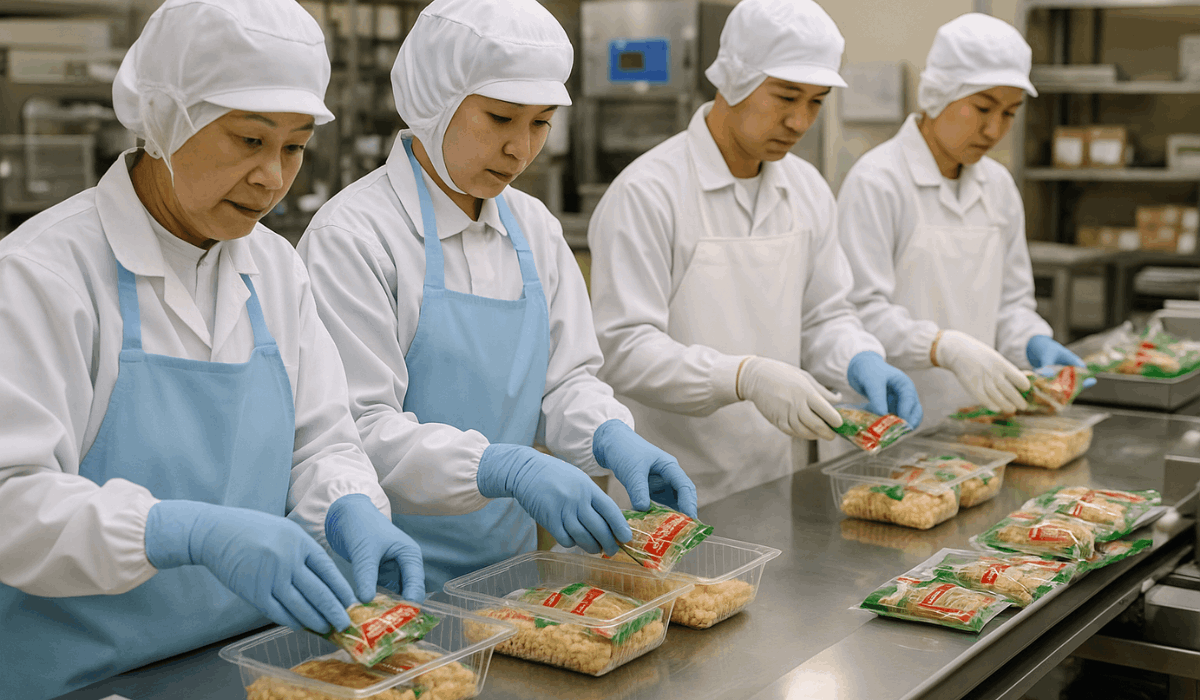
Permanent Packing Job Opportunities
These roles are suited for workers seeking steady employment and long-term security. Here are the main opportunities:
- Logistics Centers – Distribution hubs that handle shipments nationwide.
- Manufacturing Plants – Factories producing electronics, machinery, and consumer goods.
- E-commerce Warehouses – Facilities for companies like Amazon, Rakuten, and other major retailers.
- Retail Distribution Hubs – Supermarkets and department store supply chains.
- Pharmaceutical and Medical Supply Companies – Continuous demand for packaging and distribution of medical products.
Pay, Benefits, and Stability
Permanent packing positions offer a steady income and a comprehensive range of employment benefits.
These positions are designed for long-term employees who seek security and career advancement. Here are the main points:
- Monthly Salary – Average pay is ¥200,000–¥250,000, depending on company and region.
- Bonuses – Many employers offer seasonal or performance-based bonuses twice a year.
- Insurance Coverage – Includes health insurance, pension, and unemployment insurance.
- Paid Leave – Workers receive annual paid vacation days as required by Japanese labor law.
- Housing and Transport Support – Some employers provide dormitories or travel allowances.
- Job Stability – Permanent contracts ensure consistent schedules, predictable income, and protection under labor laws.
Comparing Seasonal and Permanent Options
When choosing between seasonal and permanent packing jobs in Japan, you need to weigh flexibility against stability.
Each type offers unique advantages and drawbacks depending on your goals and visa status. Here are the main comparisons:
- Job Duration – Seasonal jobs last 1–6 months, while permanent roles provide long-term contracts.
- Income – Seasonal positions pay ¥1,000–¥1,300 per hour, while permanent jobs average ¥200,000–¥250,000 per month.
- Benefits – Seasonal work often does not include insurance or bonuses, but permanent roles typically offer full coverage and paid leave.
- Flexibility – Seasonal jobs are easier to enter and suit students or temporary workers. Permanent roles demand commitment but ensure consistency.
- Career Growth – Seasonal jobs often offer limited progression, whereas permanent positions can lead to supervisory or skilled roles.
- Best Fit – Seasonal work suits short-term earners, while permanent roles benefit those seeking stability and long-term residency.

How to Apply
Applying for packing jobs in Japan is straightforward if you meet the basic requirements and follow the proper channels.
Employers look for reliability, physical ability, and in some cases, basic Japanese skills. Here are the main steps:
- Check Eligibility – Ensure you have the correct visa type, such as a work visa, student visa, or Specified Skilled Worker (SSW) visa.
- Prepare Documents – Create a Japanese-style resume (rirekisho) and gather necessary IDs or certifications.
- Search for Openings – Use job portals, dispatch agencies, and company career websites.
- Apply Online or Through Agencies – Submit applications directly or via recruitment firms specializing in foreign workers.
- Attend Interviews – Be prepared to answer basic questions about your experience, availability, and physical readiness.
- Secure Contract and Visa Confirmation – Review the contract terms carefully and ensure your visa aligns with the job.
Visa Pathways for Packers
To work as a packer in Japan, you must hold a valid visa that allows employment.
The type of visa you are eligible for depends on your situation, such as whether you are a student, trainee, or skilled worker. Here are the main pathways:
- Specified Skilled Worker (SSW Type 1) – Allows foreigners to work in logistics and manufacturing for up to 5 years.
- Technical Intern Training Program (TITP) – Provides short-term training in packing and factory jobs, usually 3–5 years.
- Student Visa with Work Permit – Allows students to work up to 28 hours per week, often in part-time jobs such as packing.
- Working Holiday Visa – Available to citizens of certain countries, allowing flexible short-term work and travel.
- Dependent Visa with Work Permission – Spouses of residents can work part-time in logistics and packing.
- Permanent Resident or Long-Term Resident Visa – Offers complete freedom to work in any packing or warehouse role.
Practical Considerations
Before taking a packing job, you need to think about everyday living factors beyond just the job itself.
These points affect your comfort, expenses, and overall work experience. Here are the primary considerations:
- Cost of Living – Rent, food, and transportation can be significantly higher in cities like Tokyo compared to rural areas.
- Housing Options – Some employers provide dormitories or shared housing, while private rentals require deposits and guarantors.
- Transportation – Commuting costs add up; some companies offer transport allowances.
- Work Culture – Japanese workplaces value punctuality, teamwork, and discipline.
- Language Barriers – Basic Japanese helps in daily life and at work, especially for safety instructions.
- Health and Insurance – Permanent jobs provide coverage, but seasonal workers may need to arrange their own.
Final Takeaway
Packing jobs in Japan provide both seasonal flexibility and permanent stability, each suited to different worker needs.
Salaries, benefits, and visa options play a significant role in deciding which path is right for you.
Take the next step by exploring trusted job portals, agencies, or company websites to apply for the opportunity that fits your goals.