

Jeff Bezos is one of the most influential business figures in modern history. Known as the founder of Amazon, he transformed online shopping and digital services on a global scale. His career and personal achievements have made him a central figure in the world of technology, commerce, and innovation.
Beyond his professional success, Bezos has also become an inspiration for entrepreneurs and a subject of curiosity for millions worldwide. His journey from a simple startup idea to building one of the most valuable companies in history is full of lessons and fascinating details.



To understand why Jeff Bezos continues to capture attention, it is worth exploring several interesting facts about his life, career, and personal endeavors. These insights reveal not only his business genius but also the mindset and habits that helped him reach extraordinary levels of success.
Early Life and Education
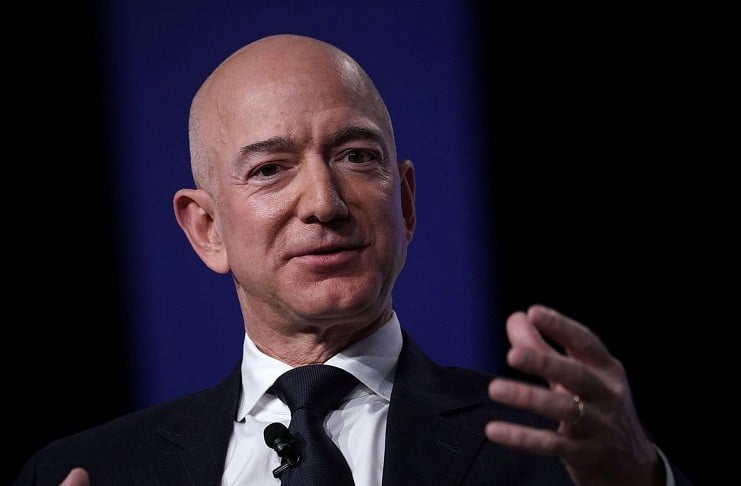
Jeffrey Preston Bezos was born in Albuquerque, New Mexico, in 1964. His mother was a teenager when he was born, and his biological father left when Bezos was still very young. Later, his stepfather, Miguel Bezos, an immigrant from Cuba, adopted him and gave him his last name.
From an early age, Bezos demonstrated a strong curiosity for science and technology. He showed remarkable talent in inventing small devices and was fascinated by how things worked. His love for problem-solving became one of his defining traits as he grew older.
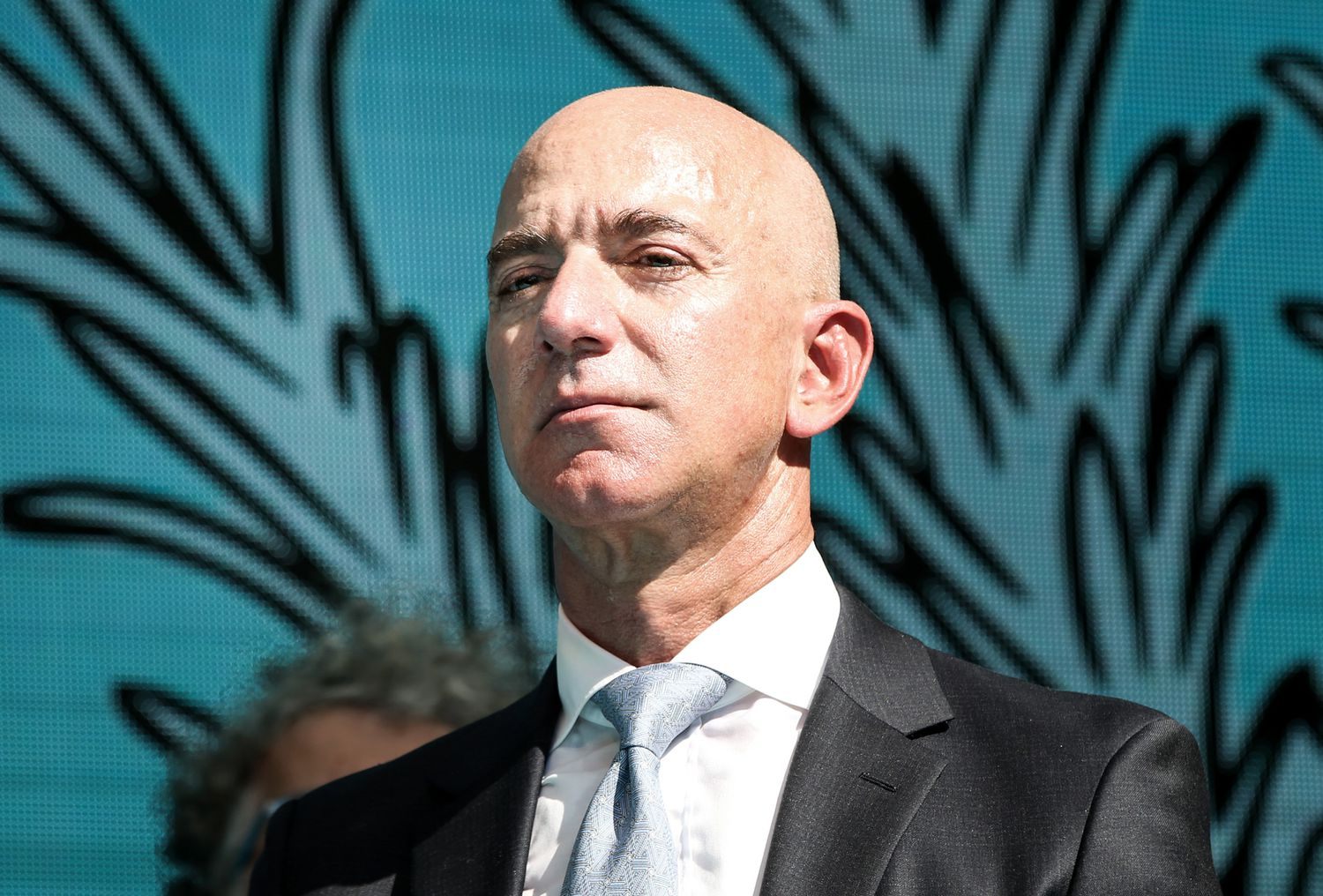
Bezos studied at Princeton University, where he earned degrees in electrical engineering and computer science. These academic foundations prepared him for a career in technology and finance before he eventually launched Amazon.
Fuente Imagen: El Espectador
Career Before Amazon
Although Jeff Bezos is best known for founding Amazon, his career started in the finance sector. After graduating from Princeton, he worked at firms such as Fitel and Bankers Trust. He quickly rose through the ranks, gaining experience in computer systems and business management.
Later, he joined D. E. Shaw & Co., a prestigious hedge fund in New York. It was here that Bezos developed his understanding of the internet’s potential, which would inspire him to take a bold step and create his own company. His position at the firm was highly lucrative, but he decided to leave and pursue his vision.
This decision to walk away from financial security to take a risk on an online bookstore would eventually become one of the most impactful business moves of the modern era.
Founding of Amazon
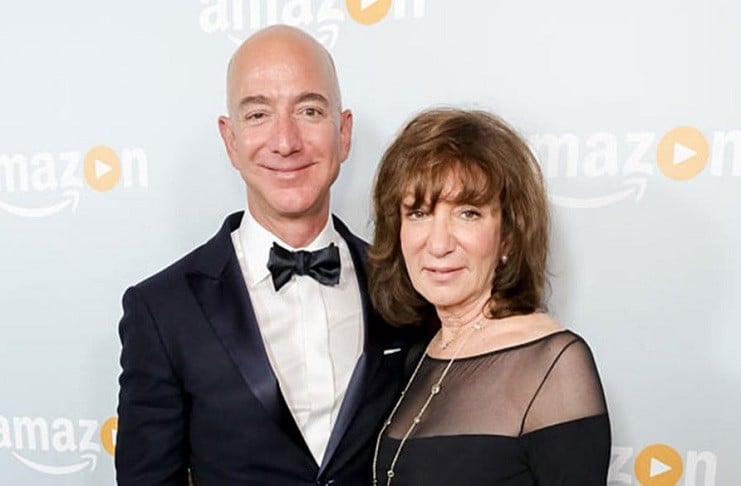
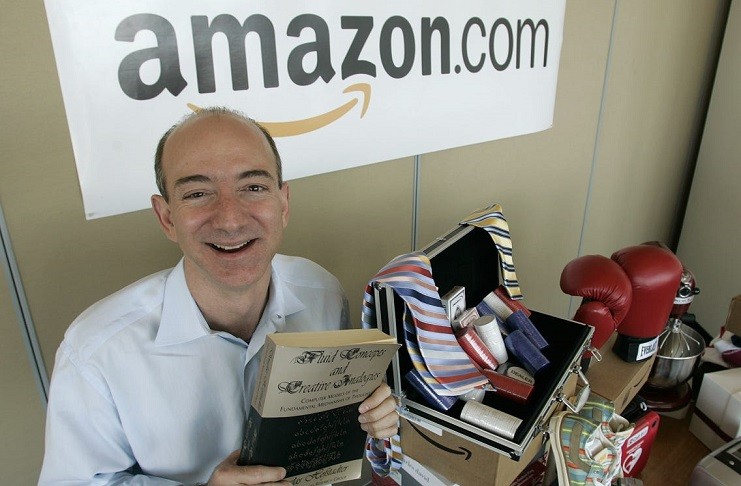
In 1994, Jeff Bezos founded Amazon from his garage in Seattle. Initially, the company was an online bookstore, but Bezos envisioned something much larger. He believed the internet would revolutionize commerce, and he wanted Amazon to be at the center of it.
Amazon grew quickly, expanding from books to selling a wide range of products. Over the years, it became a marketplace where customers could find almost anything. Bezos reinvested profits into technology, logistics, and infrastructure, ensuring Amazon stayed ahead of competitors.
The company’s focus on customer satisfaction and innovation helped it become one of the largest and most valuable companies in the world. Today, Amazon operates in multiple industries, including e-commerce, cloud computing, and entertainment.

Leadership Style and Vision
Bezos is known for his long-term vision and relentless focus on customer satisfaction. His famous quote, “It’s always Day One,” reflects his belief that companies should act as if they are just starting, maintaining energy, innovation, and agility.
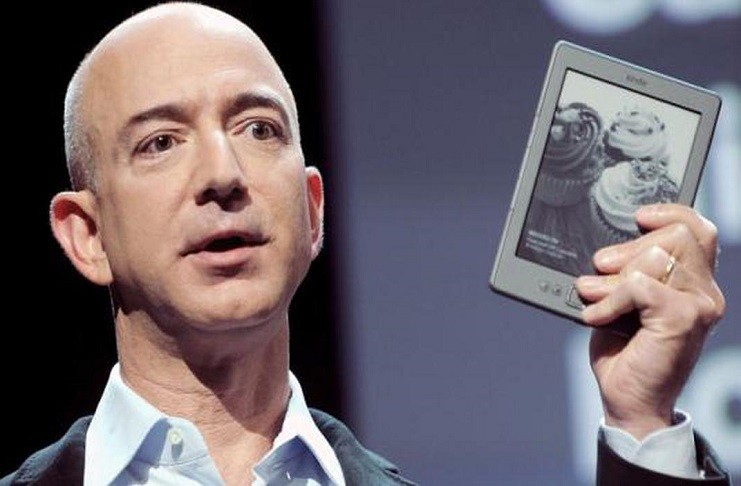
He encouraged bold experimentation within Amazon, often reminding employees that failure was part of innovation. This mindset led to groundbreaking services such as Amazon Prime, AWS (Amazon Web Services), and Kindle.
His leadership style emphasized data-driven decision-making but also encouraged creativity. Many credit this balance as the reason Amazon has been able to consistently adapt and thrive.
Interesting Facts About Jeff Bezos’ Wealth
Jeff Bezos has consistently ranked among the wealthiest individuals in the world. For several years, he held the position of the richest person globally, with a net worth exceeding $200 billion at its peak.
One fascinating fact is that during the COVID-19 pandemic, Bezos’ fortune grew dramatically due to the surge in online shopping. At one point, he earned billions of dollars in a single day as Amazon’s stock price soared.
Despite his enormous wealth, Bezos has often reinvested in projects that push human boundaries, such as space exploration. His fortune not only supports business ventures but also significant philanthropic efforts.
Fuente Imagen: Askqotd
Blue Origin and Space Exploration
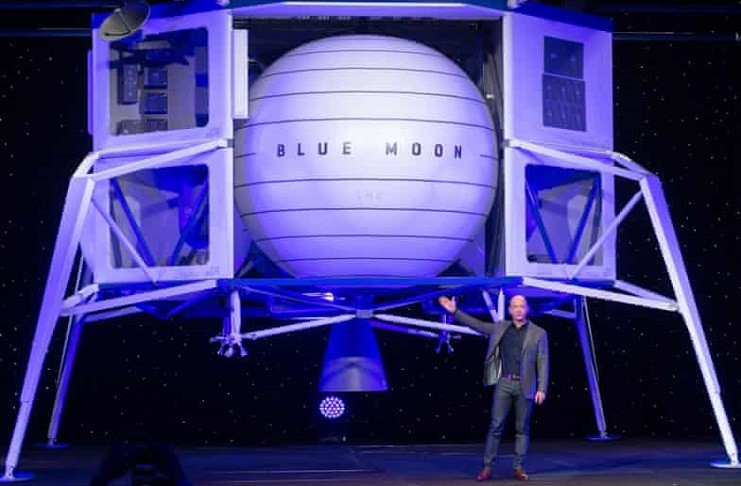
Bezos founded Blue Origin in 2000, a space exploration company with the mission of making space travel more accessible. He has long expressed a fascination with outer space and envisions millions of people living and working beyond Earth in the future.
Blue Origin focuses on developing reusable rockets, aiming to reduce the cost of space travel. In 2021, Bezos himself participated in a spaceflight aboard the New Shepard rocket, marking a milestone for private space travel.
His dedication to exploring space reflects his long-term thinking and desire to ensure humanity’s survival and prosperity beyond Earth.
Lifestyle and Personal Interests
While Jeff Bezos is often associated with business and technology, his personal life also draws attention. He is known for his disciplined routine and focus on maintaining a balance between work and family life.
Bezos has a passion for fitness and has noticeably transformed his physique over the years. He also enjoys traveling, reading, and exploring new technologies. Books, in particular, have played a major role in shaping his ideas and leadership style.
Despite his wealth, Bezos often emphasizes efficiency and practicality, preferring to invest his resources into projects with long-term impact.
Philanthropy and Social Impact
In recent years, Jeff Bezos has increased his focus on philanthropy. He launched the Bezos Earth Fund, committing billions of dollars to combat climate change. This initiative supports renewable energy, conservation projects, and sustainable practices worldwide.
He has also donated to educational initiatives, homelessness programs, and disaster relief efforts. While some critics argue he could give more, his contributions remain significant in addressing global challenges.
Bezos’ philanthropy highlights his growing recognition of social responsibility and the need to use wealth for positive impact.

Challenges and Criticisms
Despite his success, Jeff Bezos has faced criticisms. Some argue that Amazon’s business practices have been too aggressive, impacting small businesses and raising concerns about worker conditions.
Additionally, Amazon has faced scrutiny over its role in shaping the retail market and labor rights. Bezos has often defended the company’s practices, emphasizing innovation and customer value.
These challenges remind us that even the most successful leaders face public and political pressure. Balancing profit, innovation, and responsibility remains a complex issue.
Influence on Global Business
Jeff Bezos’ influence extends far beyond Amazon. He transformed global retail, introduced innovations in logistics, and revolutionized the way consumers access goods and services.
His impact also reshaped corporate culture, emphasizing agility, innovation, and bold decision-making. Countless entrepreneurs look to his methods as a model for building successful businesses.

Fuente Imagen: World Energy Trade
Conclusion
Jeff Bezos’ journey from a curious child to one of the most powerful business leaders in the world offers valuable lessons. His vision, risk-taking, and relentless pursuit of innovation shaped Amazon and influenced industries worldwide.
Beyond wealth, Bezos represents the potential of big ideas combined with persistence. From e-commerce to space exploration, his legacy is one of pushing boundaries and inspiring others to dream bigger.
His story continues to evolve, reminding us that the drive to innovate and explore will always define human progress.