

The Supplemental Nutrition Assistance Program, or SNAP, is a valuable safety net for individuals and families facing food insecurity.
For those exploring government assistance options in the U.S., understanding how SNAP operates and who can benefit might remove a lot of confusion.



Whether you are unemployed, underemployed, or simply need support to keep nutritious food on the table, this guide offers clarity on eligibility and the most straightforward ways to start an application.
What is SNAP and Who Is It For?
SNAP —formerly called Food Stamps—was created to offer nutritional support to low-income Americans. The primary purpose is to help households purchase healthy groceries each month, regardless of location.
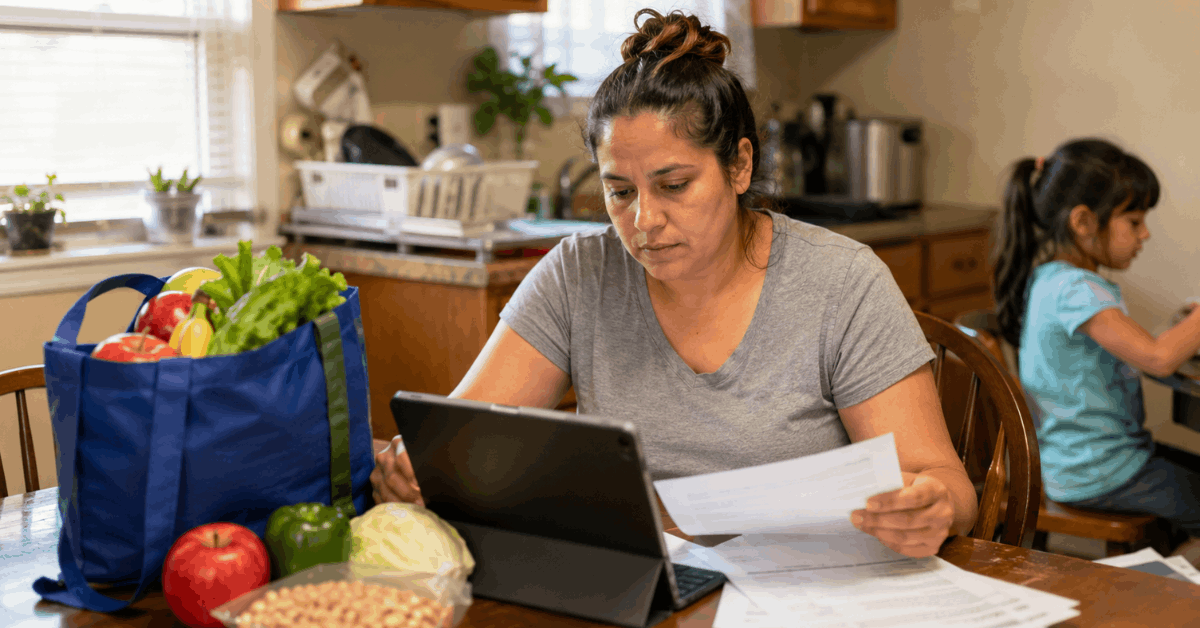
It is federally funded but managed at the state level, which sometimes creates subtle differences in rules or processes from one state to another.
Understanding SNAP Eligibility Requirements
Eligibility for SNAP depends on several key factors. Income and household size are the two most critical elements.
Typically, those with a lower income in relation to their family size find it easier to qualify. Some may wonder if assets matter—sometimes, but income plays the largest role overall.
Gross and Net Income Limits
The first step in assessing eligibility is comparing your gross monthly income against federal benchmarks. Generally, households must earn no more than 130% of the federal poverty line for their size.
Net income, after expenses such as housing or child support, is also considered in the final calculation.
Household Size and Composition
Household is defined as the number of people you routinely buy and prepare food for with your income. This might include family members, but sometimes roommates count as well.
Children, seniors, and non-citizen residents each might affect your status slightly differently.
Citizenship and Residency Status
Only U.S. citizens and certain qualifying non-citizens can get SNAP benefits. Lawful permanent residents, refugees, or asylum seekers might have the right to apply if they meet income standards. Non-citizen eligibility can vary across states.
Work and Employment Rules
Adults ages 16–59 are expected to register for work if able, unless they already work sufficient hours, meet disabilities guidelines, or are caring for dependents. Some people might need to participate in employment programs to keep their benefits active.
Asset Limits
Most households must also keep their assets below a certain limit—usually around $2,750 for regular applicants and $4,250 for households with a member over 60 or someone with disabilities. Retirement accounts and homes where you live are typically excluded from this calculation.
Documents Needed When Considering Application
Starting a SNAP application is easier with the right information ready. Commonly requested items include: proof of identity, documentation of income and expenses, Social Security numbers for all household members, and paperwork showing citizenship or immigration status. Having recent utility or rent bills can also help clarify eligibility.
- Photo ID or driver’s license
- Pay stubs, bank statements, or benefit award letters
- Social Security cards or numbers for all listed household members
- Proof of address (lease, utility bill)
- Immigration or naturalization records, if relevant
How to Start a SNAP Application?
The process for applying to SNAP is more flexible than some might expect. Each state offers its own application portal, but most allow online, phone, mail, and sometimes in-person submission.
Some people prefer the comfort of home, while others turn to community organizations for assistance.
Online Applications
Nearly every state features an online benefits portal, often integrated with other public assistance resources.
Searching for “[your state] SNAP application” is the fastest way to find the official government site. These platforms guide you step by step and allow you to upload documents directly.
Paper and In-Person Forms
Printed forms are still accepted in many states. Libraries, community centers, and social service agencies often have them on hand. Applicants simply fill out the required details and return completed packets to their designated local office.
Phone Applications and Language Access
Some prefer to call their state’s SNAP hotline to either commence or complete an application. If English isn’t a first language, many states provide interpreters or multilingual forms. This can sometimes take a little longer, but the support tends to be thorough.
Steps in the SNAP Application Process
While each state customizes its steps slightly, the overall journey to SNAP benefits tends to follow a familiar pattern. Understanding this ahead of time might help some applicants avoid missteps or frustration.
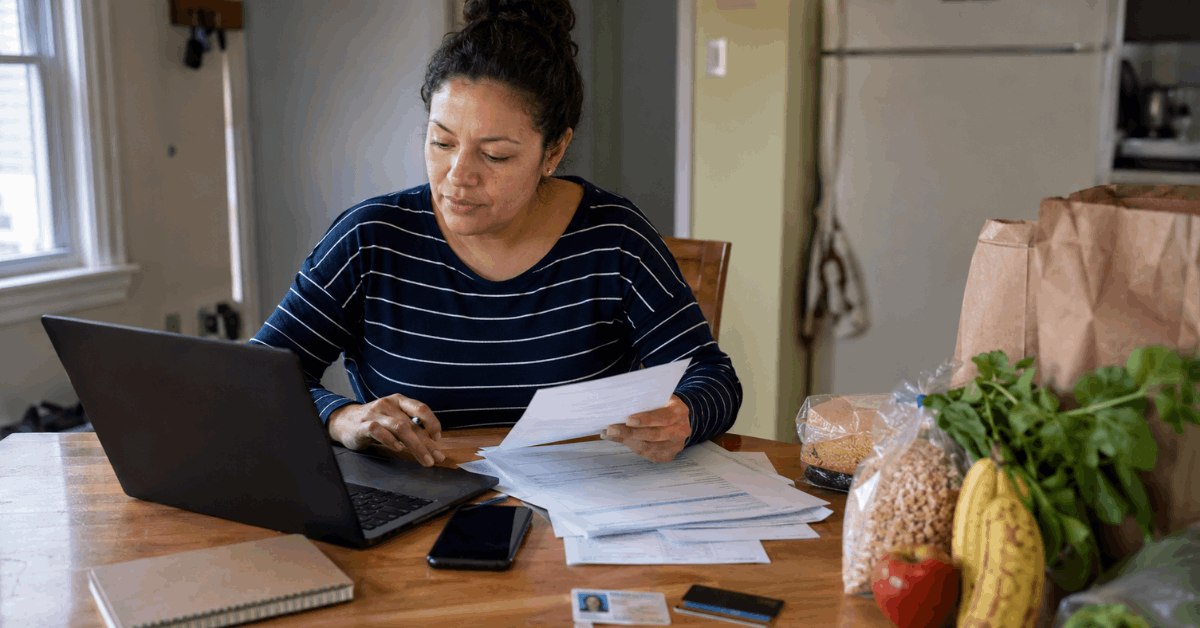
- Gather documents (see list above)
- Submit application through chosen method
- Participate in an eligibility interview to discuss your circumstances
- Receive a final notification (approval or denial) based on all provided information
- Get your EBT (Electronic Benefits Transfer) card if approved—it works like a debit card for groceries
Interview Expectations
The eligibility interview is mainly to review your forms, clarify household details, and explain rights and responsibilities. Interviews often occur over the phone, and applicants can have a family member or advocate join if desired.
Processing and Notification
States typically process applications within 30 days. If the household is in severe need, “expedited” processing within seven days may be possible.
Tips and Considerations for a Smooth SNAP Application
Even with a clear understanding, the SNAP system can seem confusing. Some applicants are surprised by follow-up requests for more paperwork, or by questions they weren’t expecting. Reviewing common reasons for delays or denials can be useful.
- Check your state’s eligibility calculator before starting—it can provide a rough idea of how much support to expect.
- If denied, don’t panic. Appeals and corrections are possible.
- Check email and mail regularly for follow-up correspondence or requests for additional information.
- Moving to a new address? Update your contact information promptly to avoid lost notices.
- Be honest about all household members—even temporary guests can affect benefits if not reported.
Maintaining SNAP Benefits and Rules for Renewal
Qualifying for SNAP doesn’t mean benefits last forever without review. Households are expected to recertify their eligibility—usually every 6 to 12 months. Failure to respond to recertification notices can cause benefits to lapse, sometimes unexpectedly.
Changes in Income or Household
Reporting changes—like getting a new job, adding a household member, or moving—is mandatory. Some forget, risking penalties or overpayment situations. States often allow updates online, by phone, or via mail, whichever feels most manageable.
Renewal Reminders
Setting a calendar alert for renewal deadlines might help prevent accidental lapses. Many states send out renewal packets a month or more in advance. Checking mailboxes and inboxes regularly is an easy way to stay current.
Common Myths and Realities About SNAP
There are several misconceptions about SNAP. For instance, many believe that owning a car or modest home disqualifies applicants—this isn’t always true.
Or that non-citizens can never apply, which is sometimes, but not always, the case. State-by-state differences make checking local rules important.
Myth: SNAP Is Only for the Unemployed
Many who receive SNAP work part-time, are in school, or care for dependents. Part-time employees or those with inconsistent hours may still qualify, even if they didn’t expect to.
Myth: Only Families Are Eligible
Single adults, seniors, and people living on their own can also apply. There may be different calculation methods, but the support is available to a range of individuals.
Tips for a Smooth SNAP Application
- Check your state SNAP rules before applying.
- Prepare your ID, income proof, and address documents.
- Complete the eligibility interview on time.
- Watch your mail and email for follow-up requests.
- Set reminders for renewal and recertification dates.
Final Thoughts on SNAP Benefits
SNAP can provide important food support for individuals and families who meet the program’s eligibility rules. The application process becomes easier when you prepare documents, understand your household details, and respond quickly to state requests.
Since rules may vary by state, checking official SNAP resources before applying is a smart step. With careful planning and timely renewals, eligible households can use SNAP as a steady support for buying groceries.