

If you’re getting ready to renovate or tackle a home improvement, you might be weighing your payment options. Maybe you’ve seen the Home Depot Consumer Credit Card at checkout, or caught one of their offers.
But is it a genuinely good choice for financing your next project? It’s a question worth exploring, especially when budgets are tight and deals seem everywhere.



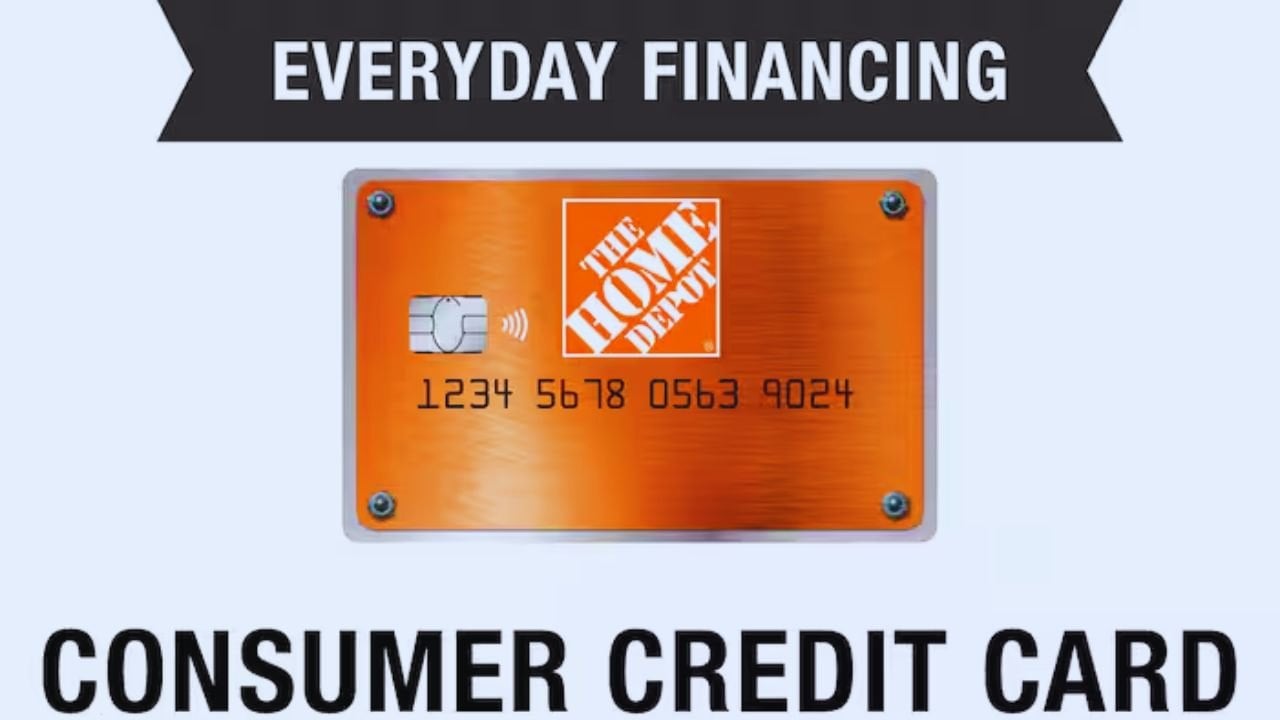
What Is The Home Depot Consumer Credit Card?
Let’s start simple. The Home Depot Consumer Credit Card is a store card available exclusively at Home Depot stores and their website. Unlike a standard credit card from banks, it really only works at Home Depot.
For regular DIYers or homeowners planning big purchases, the appeal is obvious, but it’s not quite as straightforward as just swiping and saving.
Main Features and How It Works
So, how does this card actually work? There are a few key things to know up front.
Special Financing Offers
The big draw for many is the financing feature. Home Depot typically offers six months of deferred interest financing on purchases of $299 or more.
Sometimes, for very large projects—think roofing, windows, or major appliances—there are options for 12, 18, or even 24 months. You might see deals like zero interest if paid in full within the promo period.
No Annual Fee
This card comes with no annual fee, which is a real plus for infrequent usage, or for those who just want to have it on hand for planned purchases only.
Limited to Home Depot
This is important: you can only use it at Home Depot. While this keeps things simple, it does mean you’re limited if you find a better deal elsewhere.
Cardholder-Only Offers
Sometimes, Home Depot offers exclusive discounts or promotions just for cardholders. These might include percentage-off deals or special event access, but it’s rare. Many find this hit or miss.
Who Might Benefit Most?
The Home Depot Consumer Credit Card isn’t for everyone. If you’re a frequent DIYer, landlord, or have a string of home projects planned, the ability to manage cash flow (without upfront interest) carries real appeal.
Those eyeing a single large purchase may also be tempted by the deferred interest.
Budget-Conscious Homeowners
Projects add up quickly. The card’s financing period often allows homeowners to break up an unplanned expense—or stretch a project’s cost across several months. For large families, or those on tight monthly budgets, that flexibility has practical value.
People Without Other Credit Options
If you don’t have a rewards credit card or low-interest option, the deferred interest might seem especially attractive. But there’s a big catch, which is important to understand.
The Deferred Interest Trap: What to Watch Out For
Here’s the part where a little caution is necessary. Deferred interest means if you don’t pay off the full promotional balance within the stated period, you’ll be charged all the interest from the original purchase date—at a rate often above 25% APR.
Not a trivial number if you miscalculate.
How It Works in Practice
If you buy $1,200 worth of paint and flooring under a 12-month deferred interest plan and pay everything off in 12 months, you pay no interest.
But if even $100 remains after the deadline, you’re hit with interest on the full $1,200, retroactively. This has caught many by surprise.
Avoiding Hidden Costs
So, perhaps the safest use involves strict budgeting and automatic payments to ensure the balance is cleared in time. For anyone who’s not ultra-organized—or who may face unpredictable expenses—this arrangement carries risk.
Rewards, Points, and Cash Back: Are They Included?
One thing that often surprises new cardholders: there’s no ongoing rewards program for the Home Depot Consumer Credit Card.
Unlike many bank cards that give you points or cash back on all purchases, this card sticks to special financing and the occasional discount.
Comparing to Major Competitors
Lowe’s, for example, has a similar card with ongoing discounts. Generic cash-back cards might offer you 1–2% back on your purchases anywhere, not just one retailer. Some users might find these alternative card offers are ultimately more flexible in the long run.
Potential Downsides and Considerations
It may sound like this card is designed for a specific kind of shopper, and that’s somewhat true. Here are some additional things to keep in mind:
- High standard interest rates (when not on a promo period)
- Credit checks apply, so approval isn’t guaranteed
- Account only benefits purchases at Home Depot
- Promotional offers sometimes change
On a more subjective note, some users find that keeping extra store cards organized isn’t always convenient. If your wallet already feels overcrowded, this might be a consideration too (it sounds minor, but it can become tedious over time).
How Does It Affect Your Credit?
Because it’s still a credit product, Home Depot’s card can influence your credit score. Applying triggers a hard inquiry, which could cause a small temporary dip.
See, carrying a large balance relative to your limit can have ongoing effects as well. However, on-time payments might help long term.
Building Credit History
For those with little to no credit, responsible use of this card could help establish a positive record. On the other hand, missing payments—or maxing out your card—can hurt your score, just as with any revolving credit.
Application Process and Eligibility
Applying online or in store is typically quick. You’ll need a good or fair credit score, ID, and basic contact details.
Sometimes approval is instant, other times additional checks are necessary. Ineligible applicants might be offered a secured version, but this varies by situation.
What You’ll Need
- Valid ID
- Social Security number
- Proof of income (sometimes requested)
If you’re denied, that doesn’t appear on your public credit report, but the hard inquiry still does.
Is It Worth It? Key Scenarios to Consider
After all that, is the Home Depot card worth it for your next project? The answer isn’t always black and white. There are a few common situations where it might (or might not) make sense.
A Good Fit
The Home Depot Consumer Credit Card may suit shoppers planning larger projects, frequent store visits, or special financing needs. Understanding spending habits helps decide whether the card fits your budget.
- You’re planning a big Home Depot purchase and can pay in full during the promo period
- You lack other low-interest or rewards credit card options
- You value the convenience of cardholder-only financing deals
Maybe Not Ideal
The Home Depot Consumer Credit Card may not be ideal for shoppers who carry balances, rarely visit the store, or prefer flexible rewards, lower interest, and broader purchasing options elsewhere.
- If you often shop at competing stores
- If you want ongoing cashback or points
- You sometimes carry a balance beyond promo
- Your projects are small, infrequent, or unpredictable
Alternatives to the Home Depot Consumer Credit Card
There’s more than one way to pay for home improvement. Some alternatives worth considering:
- General rewards credit cards: Earn points or cashback on all purchases
- Personal loans: Fixed payments, often lower rates
- The Lowe’s Advantage Card , for ongoing discounts
- Home equity loans or lines of credit, for larger remodels (though more complicated to set up)
Each option has pros and cons, but looking outside just the store card may unlock more flexibility for most people.
Tips for Getting the Most Benefit Out of the Card
- Set clear payment reminders to avoid deferred interest surprises
- Use the card only for planned, budgeted projects
- Avoid using the card for small, recurring buys where promo financing doesn’t apply
- Consider combining the card with ongoing sales or rebate events
Above all, staying organized and reading all the terms (especially for promotions) helps minimize unwanted fees or surprises.
Legal and Tax Considerations
Most home improvement card purchases won’t trigger tax write-offs for typical homeowners (though exceptions might exist for rental properties or business use).
Promotional financing disclosures are governed by truth-in-lending laws, but reading the small print before any big commitment matters. Home Depot publishes all rates and terms on its official credit center page.
Conclusion
The Home Depot Consumer Credit Card can be useful for planned home projects, especially when financing offers fit your budget.
Before applying, compare interest terms, payment timelines, and alternatives so the card supports your renovation goals without adding unnecessary pressure.
Note: There are risks involved when applying for and using credit. Consult the bank’s terms and conditions page for more information.